Procuring for impact: Value-based approaches for maternal and newborn health products
Second webinar in a series on Strengthening product ecosystems for maternal & newborn health, hosted by EWENE and co-organized by Unitaid and Concept Foundation.
Photo © 2020 UNICEF/ Karel Prinsloo
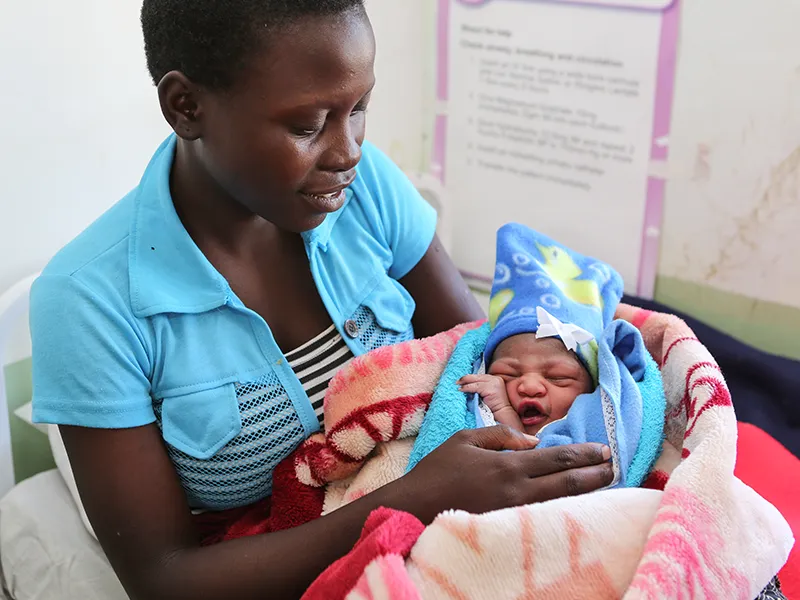
Twenty year old pregnant Zanle Chisa get a check up at the Tanganda Rural Health Centre near Mutare, Zimbabwe, Feb, 5, 2020 .
Home > Country action > Zimbabwe
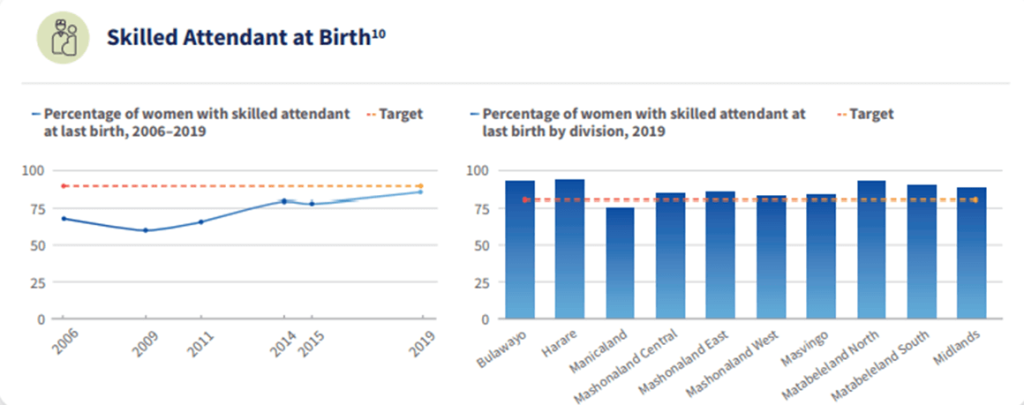
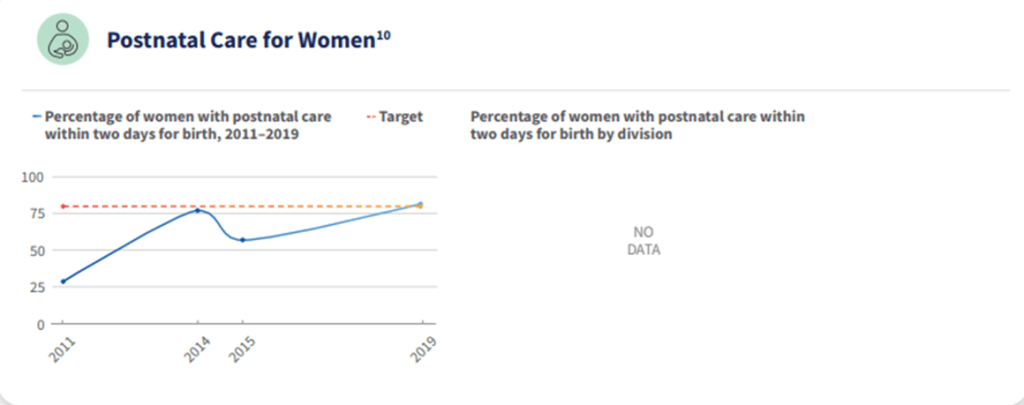
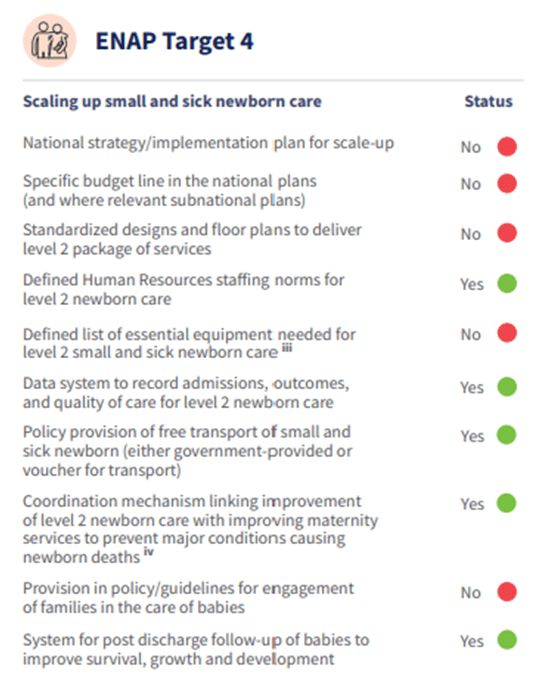
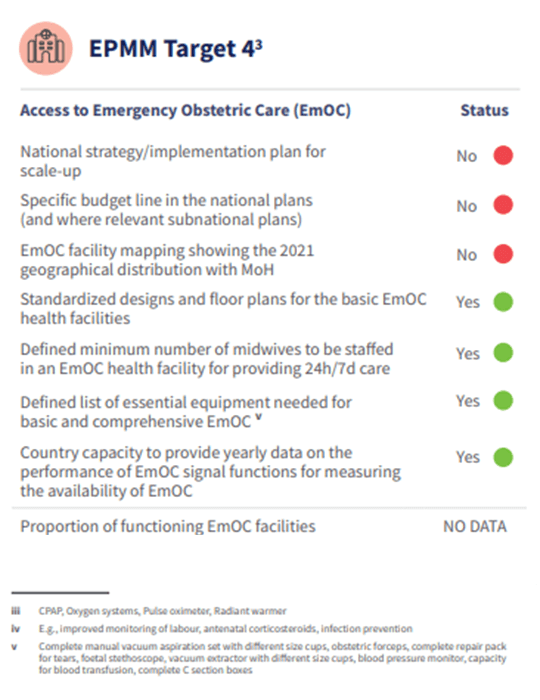
Download the full profile with additional key demographics, progress against milestones, and more.
This profile was developed in May 2023, using data from 2018-2023.
Photo © 2013 UNICEF/ Jordi Matas
In April 2013 in Zimbabwe, a woman and her infant await care at the Madamombe rural health centre in Chivi District, Masvingo Province.
Photo © 2013 UNICEF/ Jordi Matas
In April 2013 in Zimbabwe, a young woman, holding her infant, recovers in a maternity ward the day after giving birth, in Chivi District, Masvingo Province.
©UNICEF/Quarmyne.
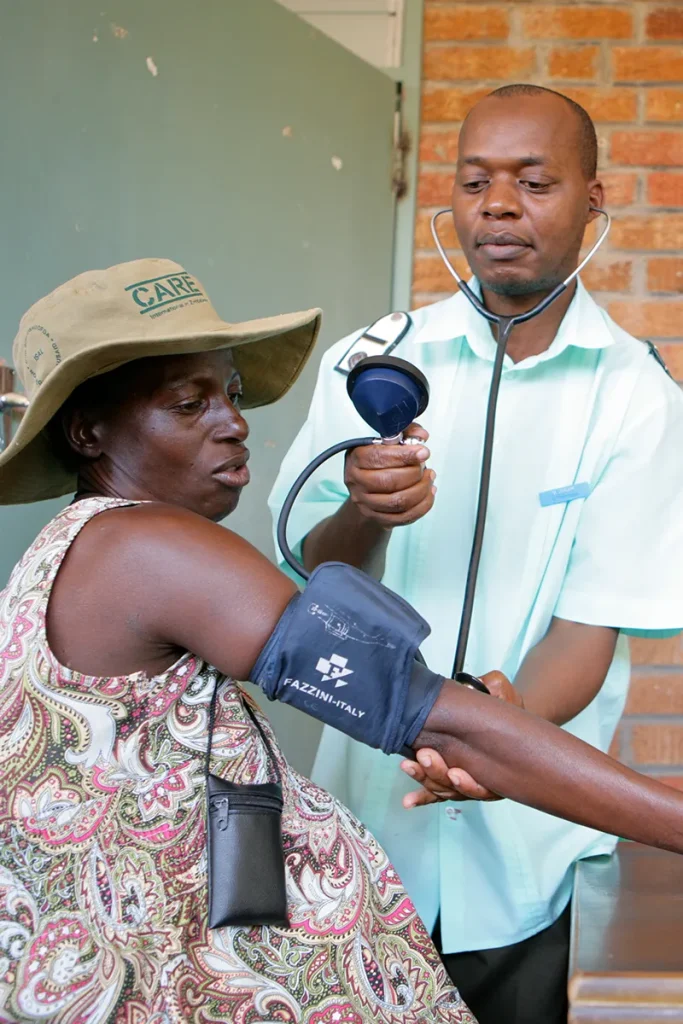
Photo © 2011 UNICEF/ Giacomo Pirozzi
2011, A health worker checks blood pressure of a pregnant woman at Neshuro District Hospital in Mwenezi, some 150km from the town of Masvingo(south of Zimbabwe). UNICEF supports maternal and child health care including PMTCT at the hospital.
As part of its efforts to reduce maternal and newborn mortality and stillbirths, Zimbabwe is taking steps to improve the quality of maternal and newborn health. These include:

Second webinar in a series on Strengthening product ecosystems for maternal & newborn health, hosted by EWENE and co-organized by Unitaid and Concept Foundation.

The editorial in the latest World Health Organization’s Bulletin stresses that reducing maternal and newborn deaths is possible even in crisis settings, and calls for

9 December 2025, 2:00-3:30 pm CET Online event. Despite important progress over the last two decades for women’s, children’s and adolescents’ health, too many promises
A new BMC supplement on Maternal and Perinatal Death Surveillance and Response (MPDSR) looks at what implementation looks like in practice, highlighting research and programmatic

Published by the World Health Organization, the International Federation of Gynecology and Obstetrics (FIGO) and the International Confederation of Midwives (ICM), the guidelines highlight the

The compendium supports efforts to end mistreatment and achieve respectful maternal and newborn care. It is published by WHO together with UNFPA, UNICEF and the United Nations’ Special Programme on Human Reproduction (HRP), with support from Jhpiego and the MOMENTUM Country and Global Leadership programme.