Country action

Rwanda

Photo © 2011 UNICEF/ Shehzad Noorani

A health worker provides health education to a group of pregnant women while they wait for service in a clinic in the city of Musanze in northern Rwanda.

Every Woman Every Newborn in Rwanda

Download the full profile with additional key demographics, progress against milestones, and more.

This profile was developed in May 2023, using data from 2018-2023. 

Photo © 2020 UNICEF/ Isaac Rudakubana
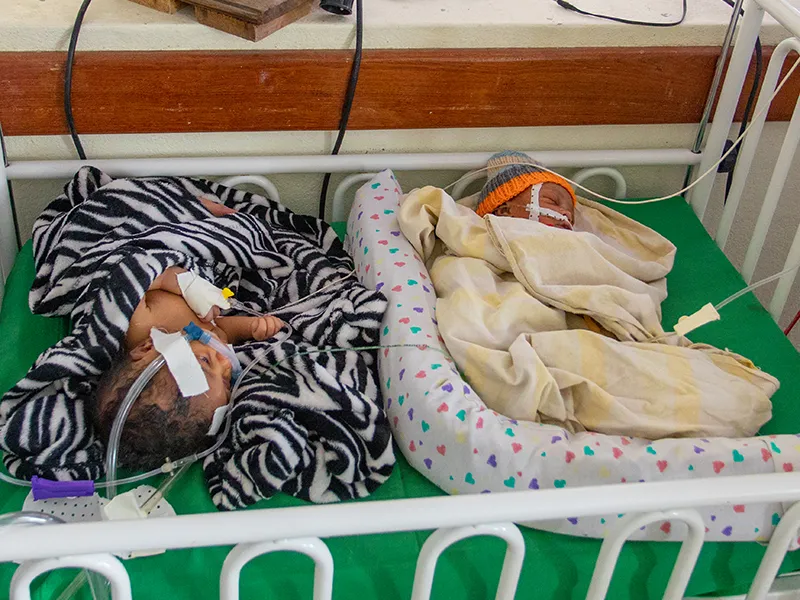
Two newborns rest in the neonatal ward of Rubavu Hospital, Rwanda.

MNH Acceleration Plan highlights

In 2026, Rwanda’s Maternal and Newborn Health Acceleration Plan prioritizes the following:  

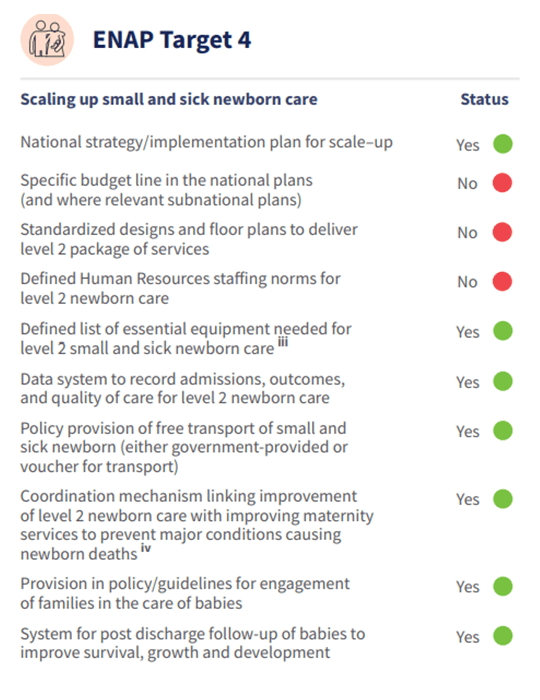
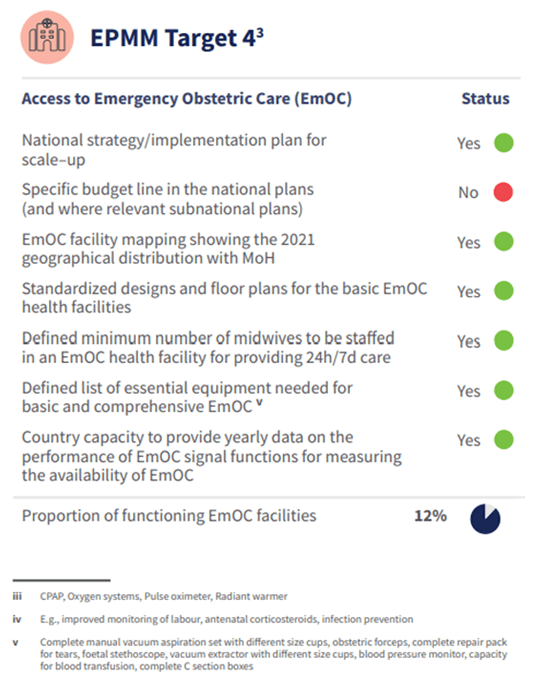
  • Strengthen emergency obstetric and newborn care (EmONC). In particular, prioritize quality of care both in maternal care and newborn emergency care units; Introduce structured, standardized orientation for EmONC, ensuring that both perinatal and maternal care are addressed.
  • Strengthen the use of data to improve quality of care and informed decision making.
  • Invest in developing the capacity of the maternal and newborn health workforce,  with mentoring, on-the-job training and by bridging the gap between pre-service and in-service training.
  • Update national guidelines and tools to harmonize with new data, norms and standards.
  • Ensure the availability of essential medications and equipment, e.g. by strengthening supply chains, introducing digital, AI-empowered tools for forecasting and tracking of supplies and commodities and building the skills of biomedical engineers to maintain and repair biomedical devices / equipment.
  • Advocate for the equitable deployment and training of the maternal and newborn health workforce, and for adequate retention strategies (including fair remuneration).

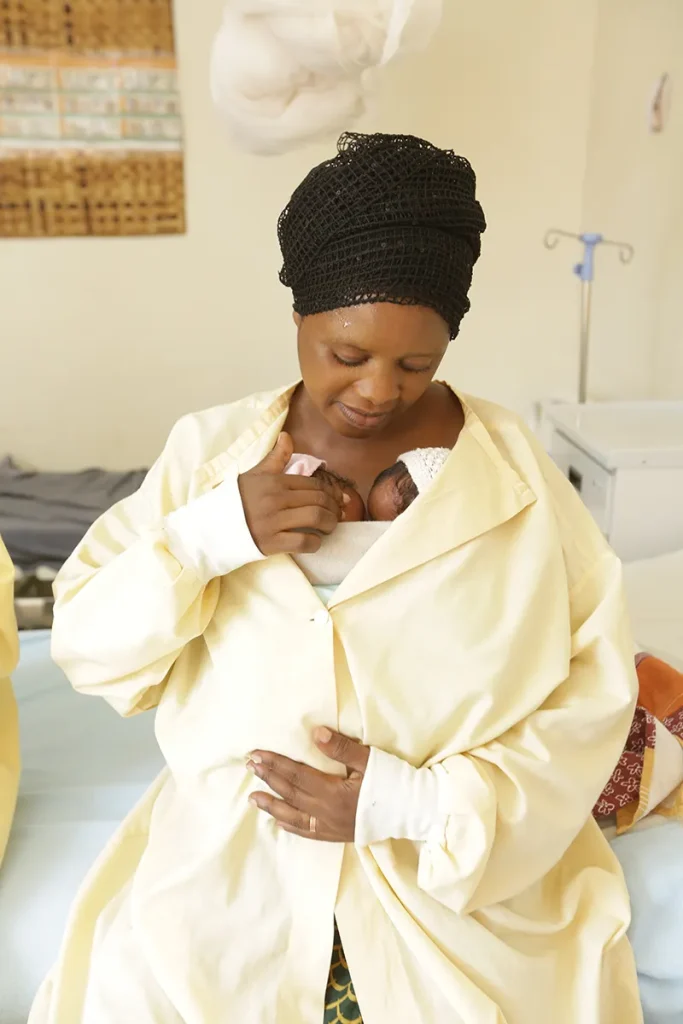
Photo © 2016 UNICEF/ Habib Kanobana
Jyamima Nyirahabimana recently gave birth to twins. Both babies were born premature, but Jyamima is not worried. She is being taught “Kangaroo Mother Care”, which promotes growth and regulates body temperature through skin-to-skin contact between her and the babies.

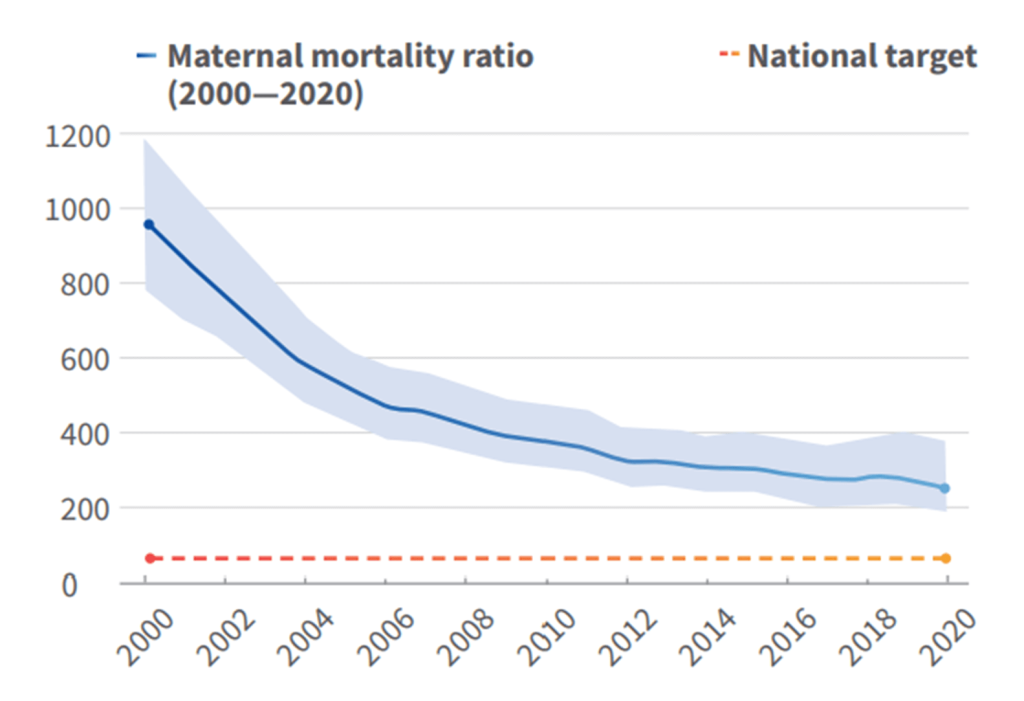
National mortality targets

Maternal
mortality ratio

126 per 100,000 live births
by 2024

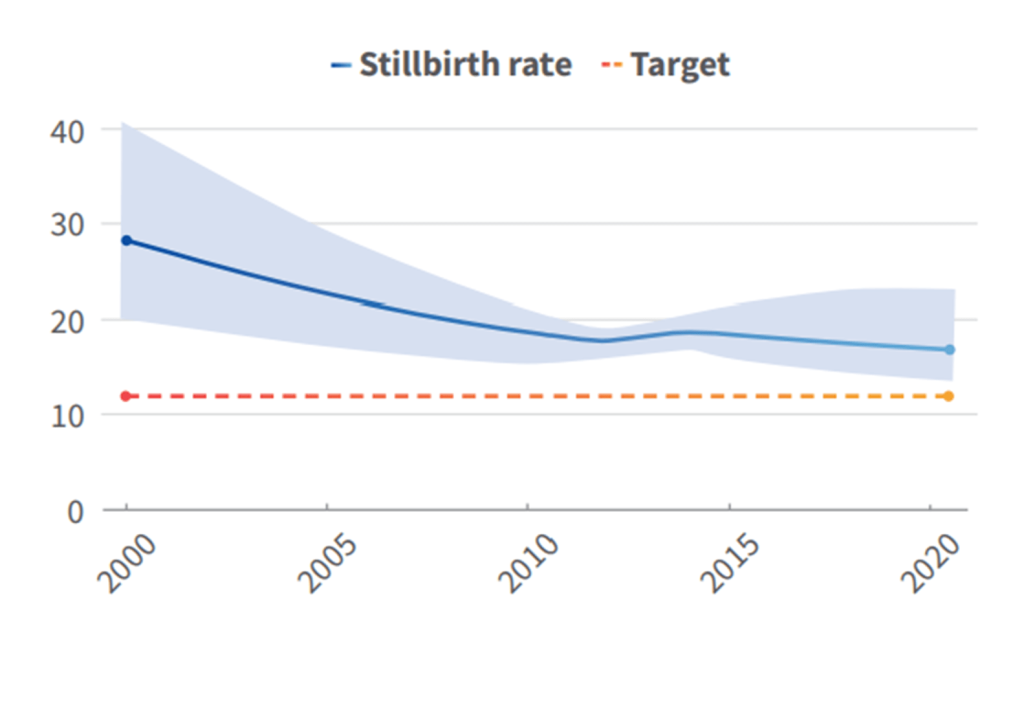
Stillbirth
rate

No data

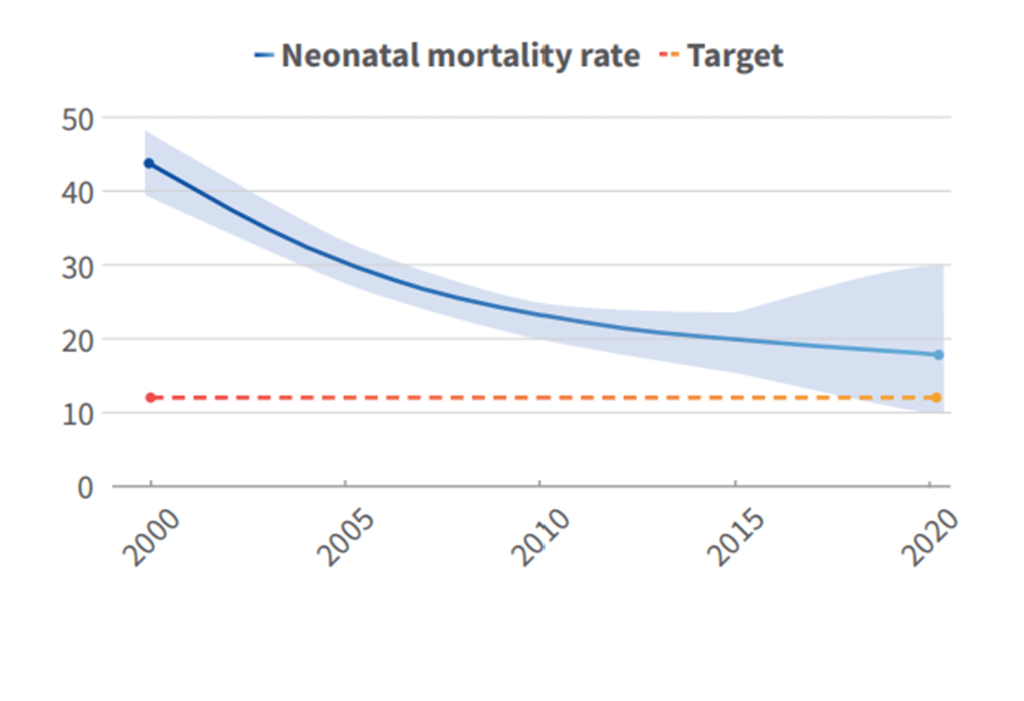
Neonatal mortality rate

15 per 1,000 live births
by 2024

Progress to meet the national maternal, newborn mortality and stillbirth reduction targets

Photo © 2020 UNICEF/ Isaac Rudakubana
A mother in Rubavu Hospital, Rwanda practices ‘kangaroo care’ to keep her prematurely born baby warm and regulate body temperature.

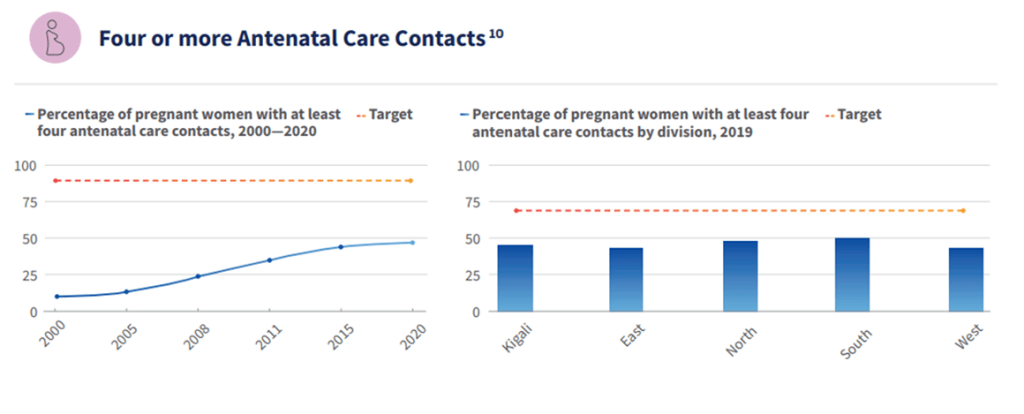
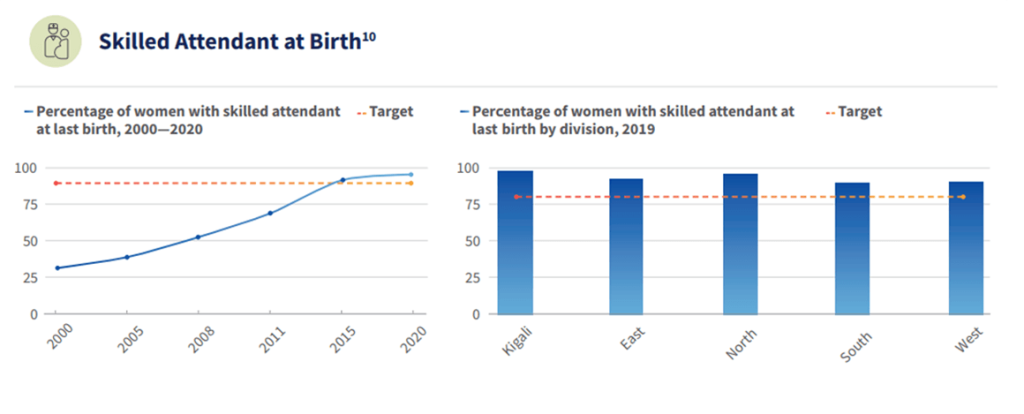
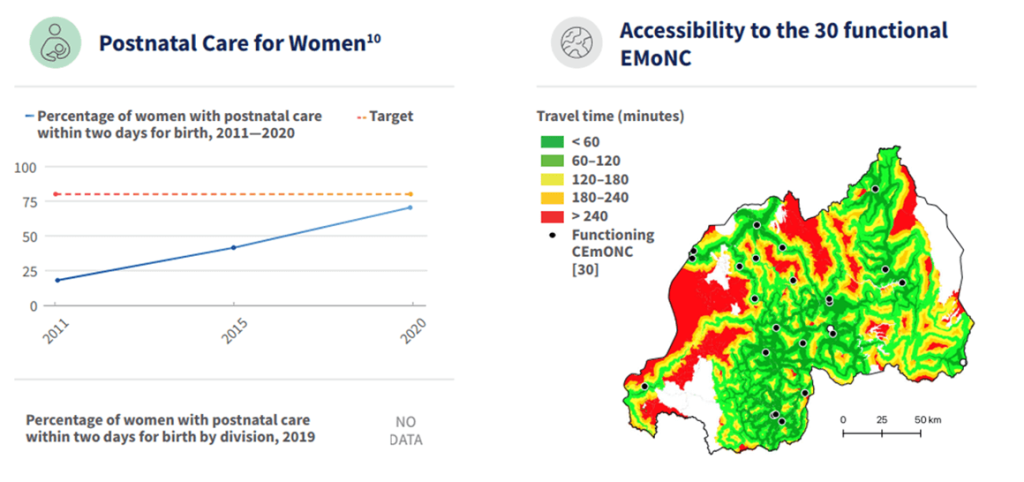
Progress to meet Every Woman Every Newborn Everywhere coverage targets

Photo © 2016 UNICEF/ Habib Kanobana
Jyamima Nyirahabimana holds her twin babies close to her body. Although both babies were born premature, but Jyamima is not worried. She has been taught the “Kangaroo Care”, which promotes growth, regulates body temperature, and encourages deeper sleep through skin-to-skin contact between her and the babies.

Quality of care in Rwanda

Rwanda’s successes in improving quality of care for maternal, newborn and child health are essential to help reduce maternal and newborn mortality and stillbirths. These include:

  • Develop a RMNCH Quality of Care framework, with quality of care standards and indicators.
  • Support the dissemination and scaling up of accreditation standards and quality improvement initiatives for MNH at the primary health care and referral levels.
  • Strengthen the conduct of Maternal and perinatal death surveillance and response reviews on a monthly basis in health facilities and quarterly at central level and facilitate the implementation of action plans.
  • Conduct a study on the causes of stillbirth in Rwanda to determine the magnitude and inform development of interventions.
  • Conduct a deep dive study into causes of death among premature newborns.
  • Enhance the capacity for data analysis and use for decision-making among health professional at all levels (central, district , facility and community) for planning, programme monitoring, quality improvement and prioritization.

News and events

Lessons to end postpartum hemorrhage

First webinar in a four-part series sharing lessons from the Accelerating Measurable Progress and Leveraging Investments for Postpartum Hemorrhage Impact (AMPLI-PPHI) project. Organized by Jhpiego.
Read more

Resources

See also: ‘Rwanda’s Path to Universal Health Coverage‘, the poster that the Rwanda delegation presented at the International Maternal Newborn Health Conference 2026.