Country action

Uganda

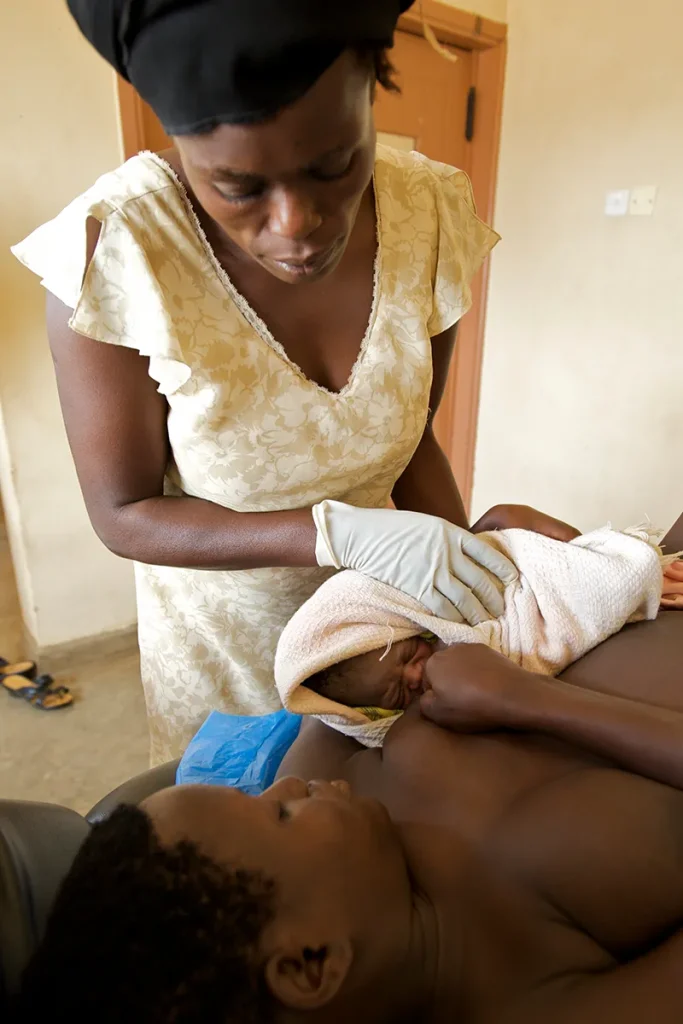
©UNICEF/WHO.Attribution needed

MNH Acceleration Plan highlights

In 2026, the priorities in Uganda’s MNH Acceleration Plan include:  

  • Focus on quality of care, with high impact, evidence based, integrated practices, from the recruitment, deployment and retention of maternal and newborn health workers, to adopting models of care such as the midwifery model of care and respectful maternal care, to strengthening community facility linkages and scaling up the infrastructure. 
  • Improve the availability of and access to essential maternal and newborn health medicines and health supplies.
  • Strengthen integrated primary health care systems for maternal and newborn health.
  • Improve data systems and data use for maternal and newborn health, especially at subnational level.

©UNICEF/Quarmyne. Redait Tsegay, beneficiary, going to a health center, Neqsege

Every Woman Every Newborn in Uganda

Download the full profile with additional key demographics, progress against milestones, and more.

This profile was developed in May 2023, using data from 2018-2023. 

©UNICEF/Quarmyne. 

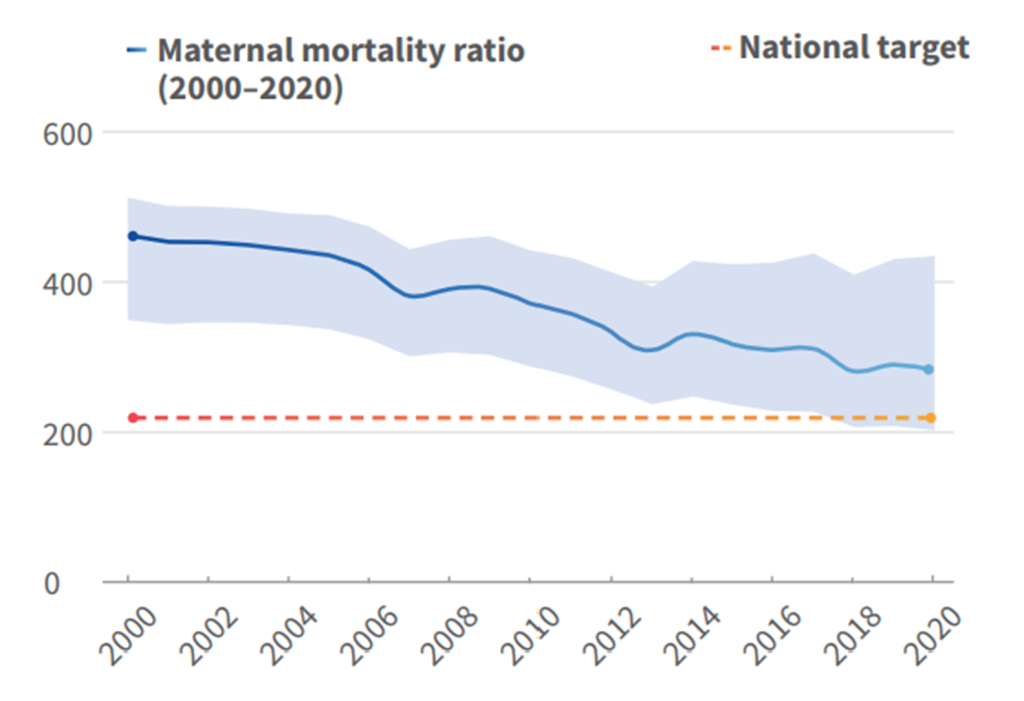
National mortality targets

Maternal
mortality ratio

219 per 100,000 live births
by 2025

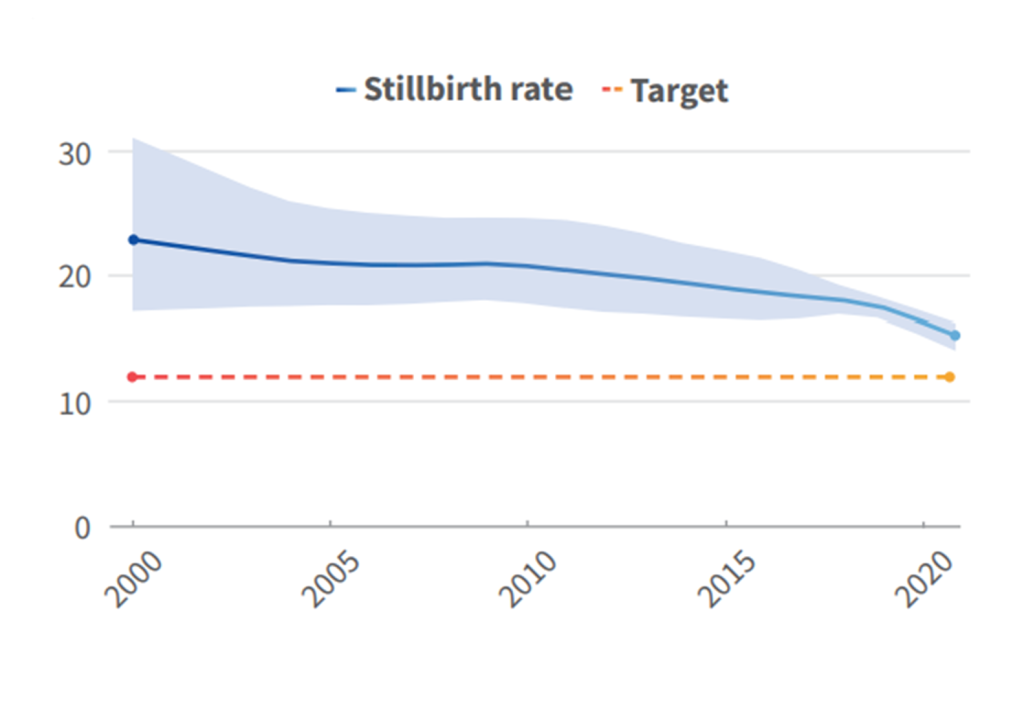
Stillbirth
rate

No data

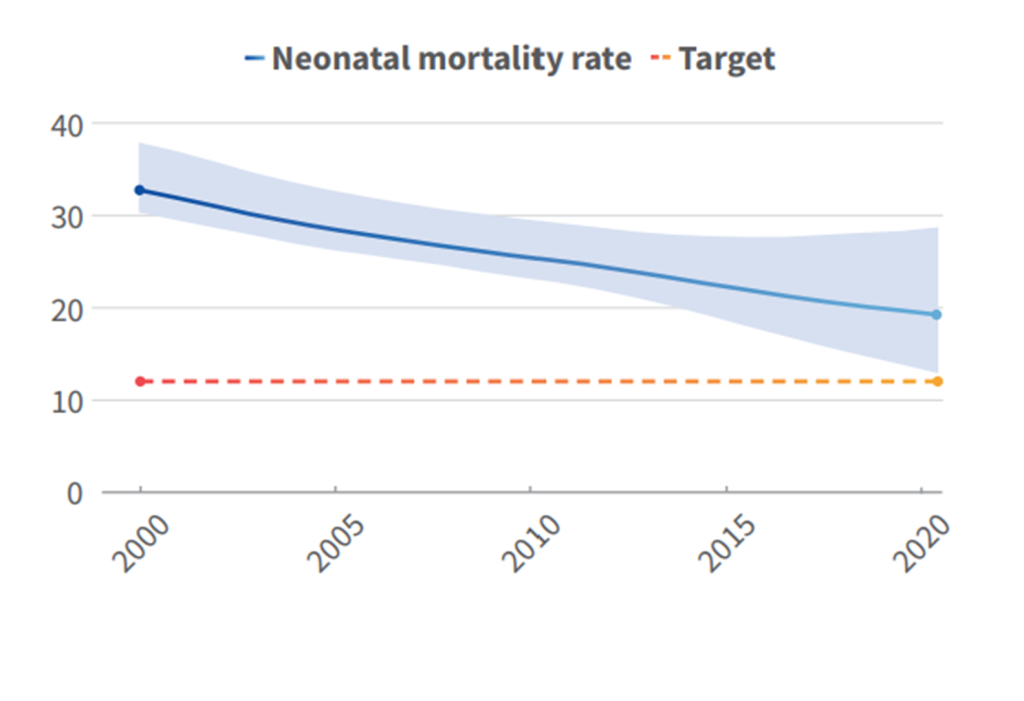
Neonatal mortality rate

18 per 1,000 live births
by 2023

Progress to meet the national maternal, newborn mortality and stillbirth reduction targets

©UNICEF/WHO. 

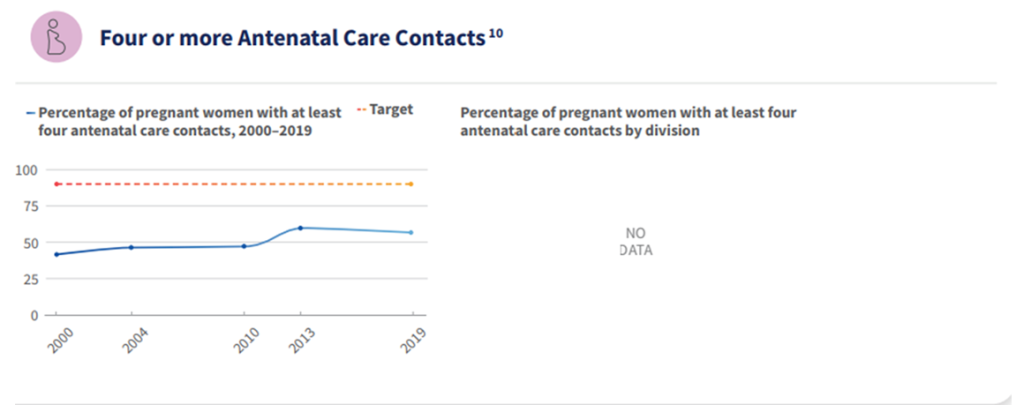
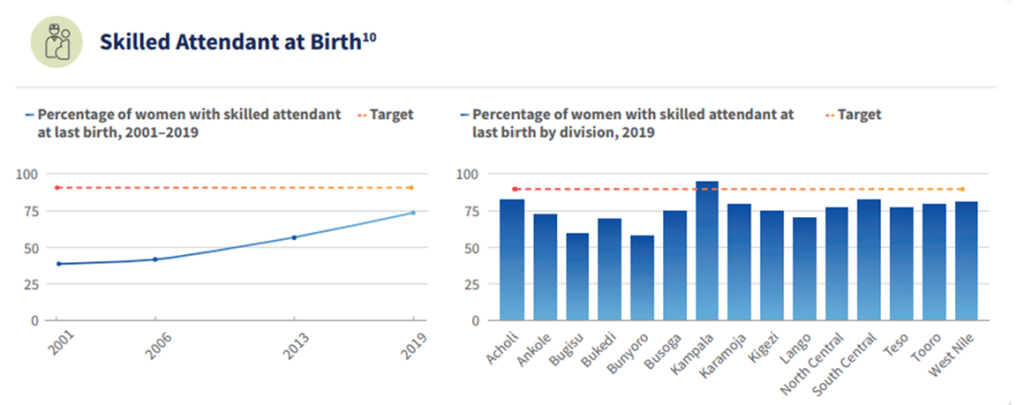
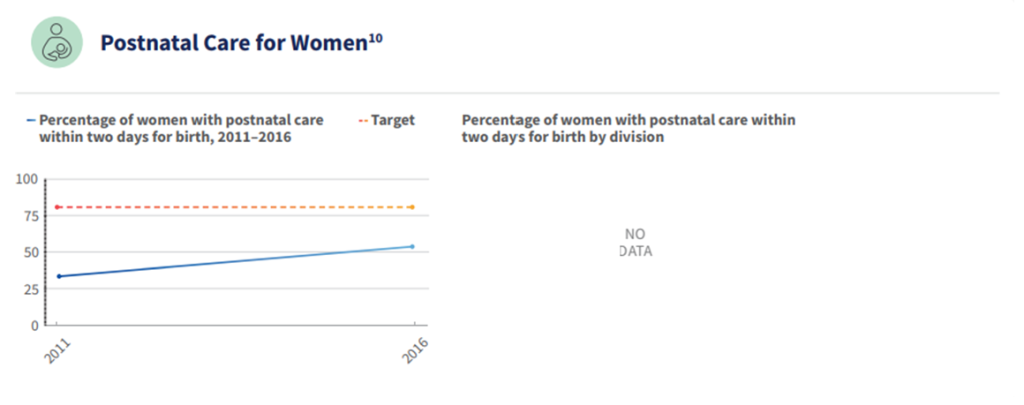
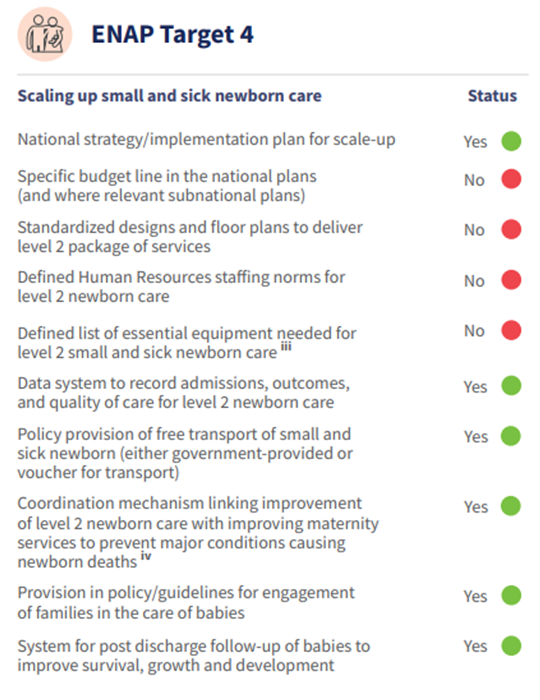
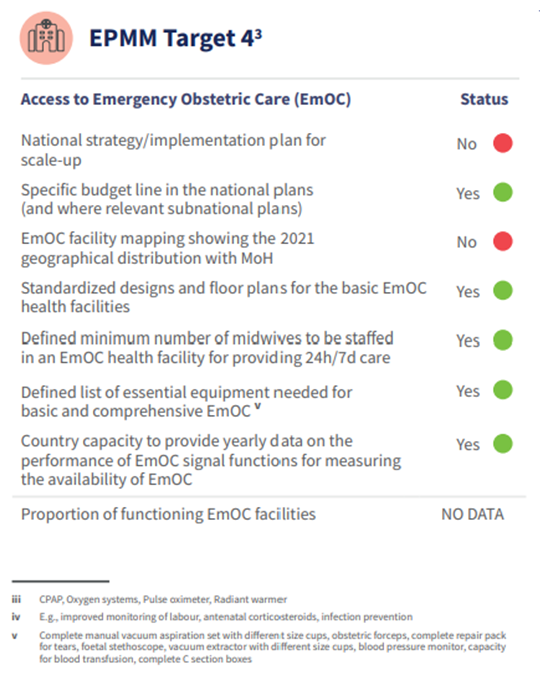
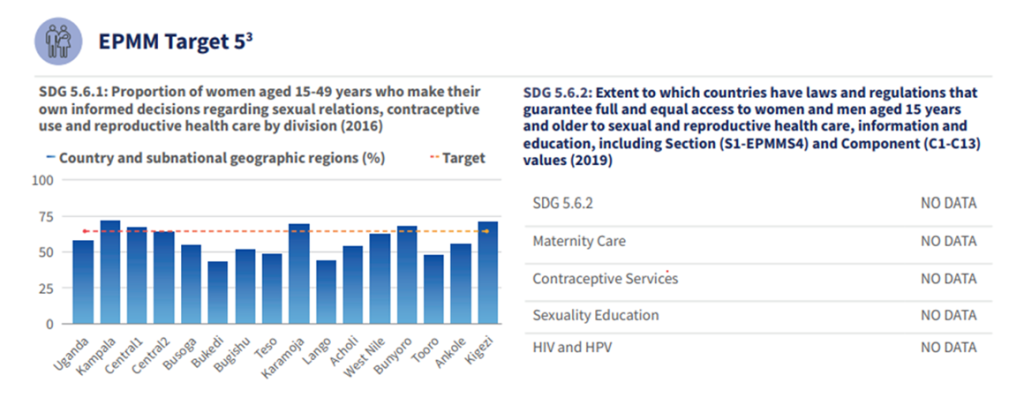
Progress to meet Every Woman Every Newborn Everywhere coverage targets

©UNICEF/Quarmyne. Attribution needed

Quality of care in Uganda

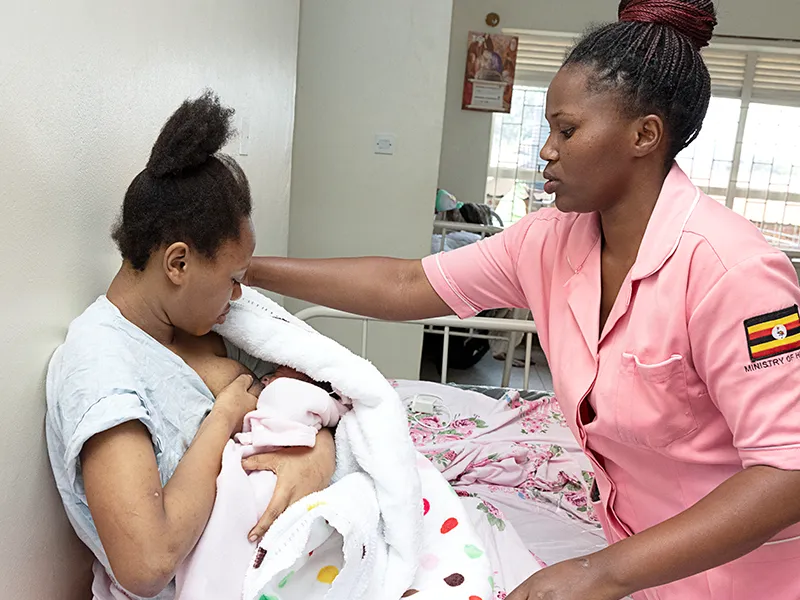
Uganda is one of the 11 countries that set-up the Network for Improving Quality of Care for Maternal, Newborn and Child Health. Ghana’s successes in improving quality of care for maternal, newborn and child health are essential to help reduce maternal and newborn mortality and stillbirths. These include:

  • A National Quality of Care Framework & Strategic Plan is implemented.
  • The World Health Organization’s standards to improve quality of maternal and newborn care, small and sick newborns care, and children and young adolescents care in health facilities are adopted.
  • A National Safe Motherhood Executive Committee set up – a team of experts that supports the development and review of clinical guidelines, monitors maternal and newborn health and follows-up on actions to accelerate the reduction of mortality and morbidity in mothers and children.
  • A first cycle of quality improvement mentorship for reproductive, maternal, newborn, child and adolescent health was conducted to build capacity of frontline teams to provide quality care, and grow the local capacity to cascade and sustain the intervention.
  • Quality of care activities for maternal, newborn and child health (RMNCAH) expanded as part of the National RMNCAH/Global Financing Facility investment case.
  • Advocacy is underway for a customized approach to implementing MPDSR in Ugandan refugee settings in order to best serve the immediate needs of people in crisis, and support health-care providers in providing care to the most vulnerable populations.

News and events

Lessons to end postpartum hemorrhage

First webinar in a four-part series sharing lessons from the Accelerating Measurable Progress and Leveraging Investments for Postpartum Hemorrhage Impact (AMPLI-PPHI) project. Organized by Jhpiego.
Read more

Resources

See also: ‘Regional Accountability Mechanisms for Maternal and Newborn Survival: Uganda’s Local Maternity and Neonatal Systems‘, the poster that the Uganda delegation presented at the International Maternal Newborn Health Conference 2026.