Country action

Tanzania

©UNICEF/WHO.Attribution needed

Every Woman Every Newborn in Tanzania

Download the full profile with additional key demographics, progress against milestones, and more.

This profile was developed in May 2023, using data from 2018-2023. 

©UNICEF/Quarmyne. 

MNH Acceleration Plan highlights

In 2026, the priorities in Tanzania’s MNH Acceleration Plan include:  

  • Focus on quality of care (scroll down to the Quality of Care in Tanzania box)
  • Strengthen data systems, including improve the quality of routine data, the interoperability of various data systems, and the capacity of data use for decision making. 
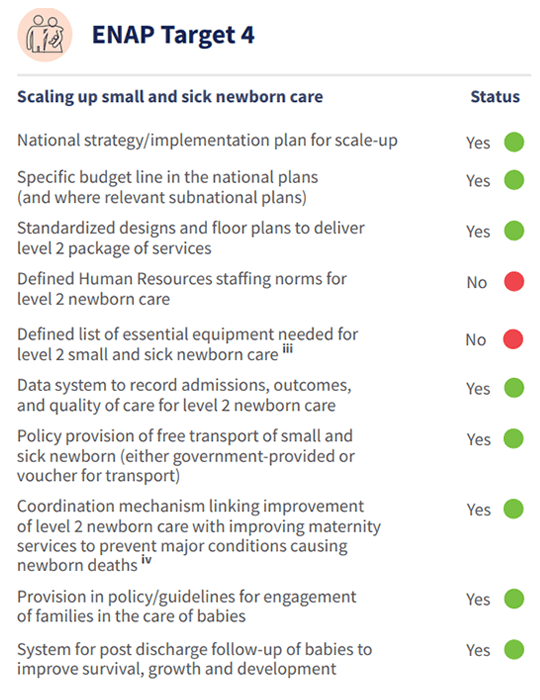
  • Improve coverage and quality of small and sick newborn care, with the scale up of standard adequate infrastructure, the availability of quality commodities, the expansion of immediate kangaroo mother care, a training and reform scheme of service for neonatal nurses, and the strengthening of quality improvement processes.  

  • Focus on the subnational level, in particular regions with a consistently big burden of maternal and newborn deaths and stillbirths. Align and deploy resources, including workforce,  commodities, and partner investments, to high-burden regions. Strengthen supportive supervision and performance management.

  • Secure sustainable financing mechanisms to guarantee free, high-quality maternal and newborn services across all levels of care as part of Tanzania’s Universal Health Insurance implementation framework.

©UNICEF/Quarmyne. Redait Tsegay, beneficiary, going to a health center, Neqsege

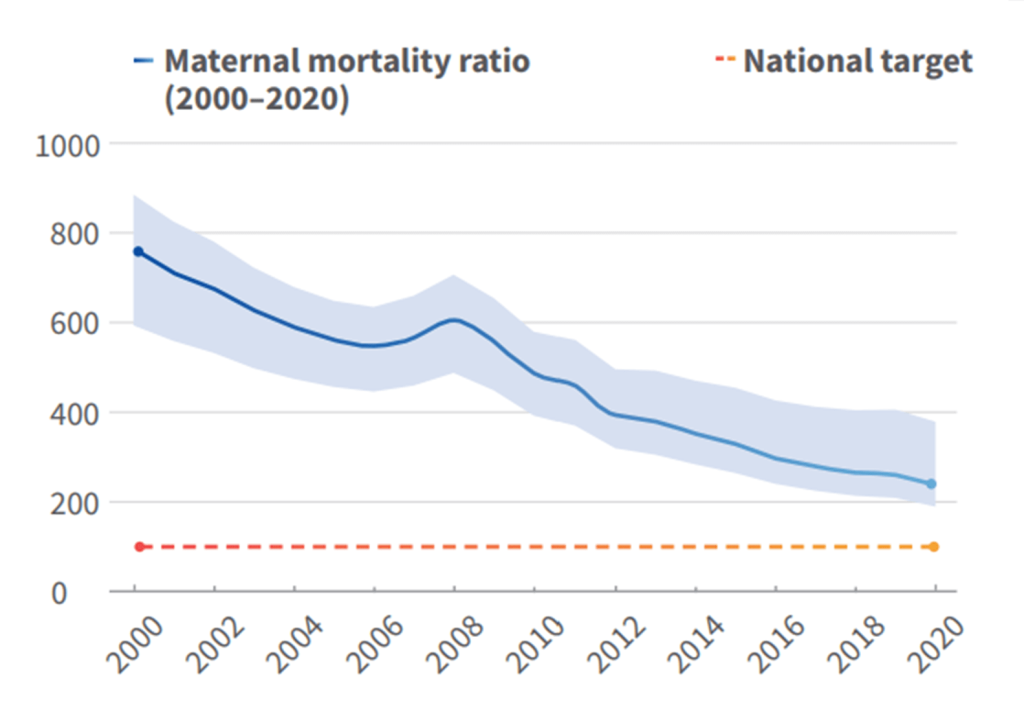
National mortality targets

Maternal
mortality ratio

100 per 100,000 live births
by 2025

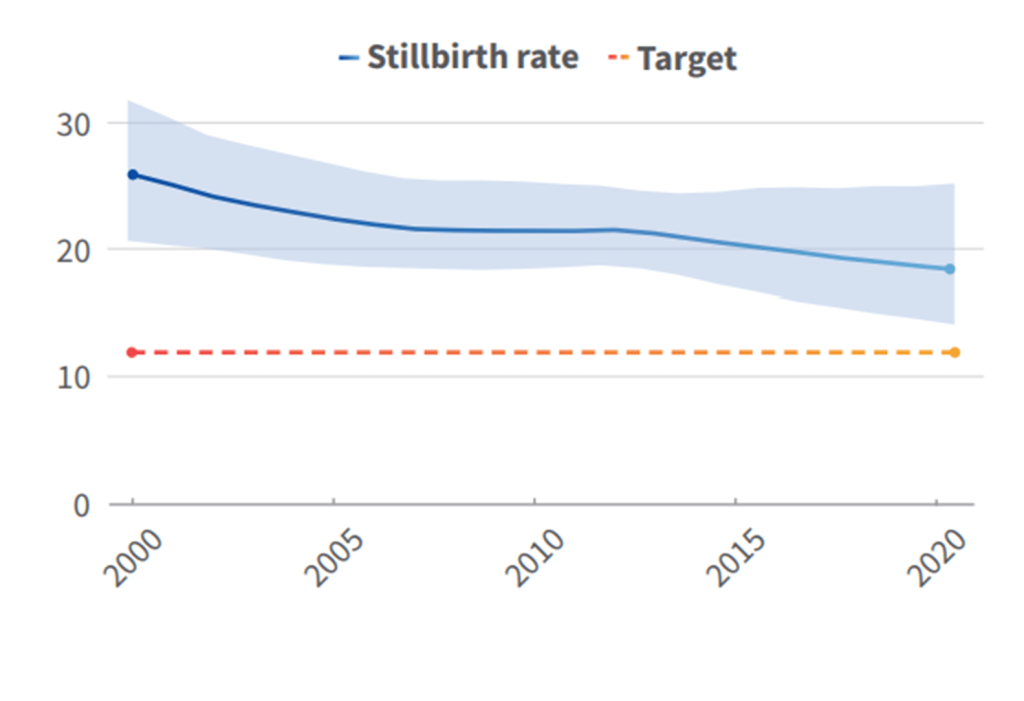
Stillbirth
rate

12 per 1,000 live births
by 2025

Neonatal mortality rate

15 per 1,000 live births
by 2025

Progress to meet the national maternal, newborn mortality and stillbirth reduction targets

©UNICEF/WHO. 

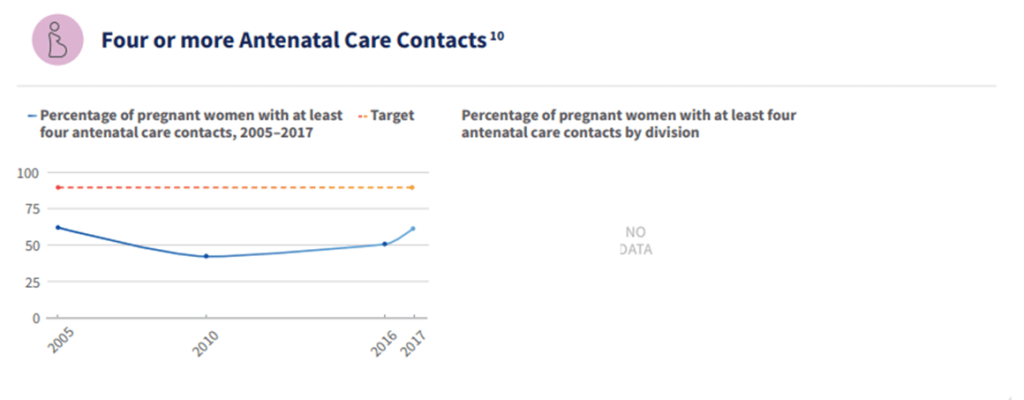
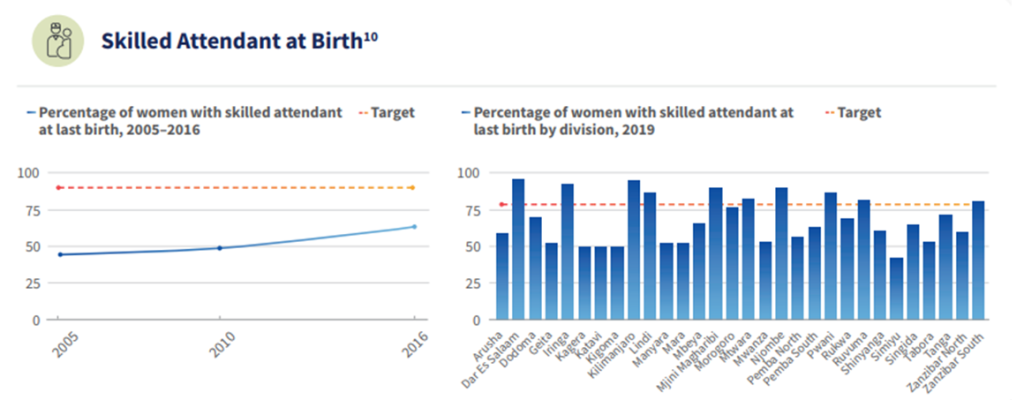
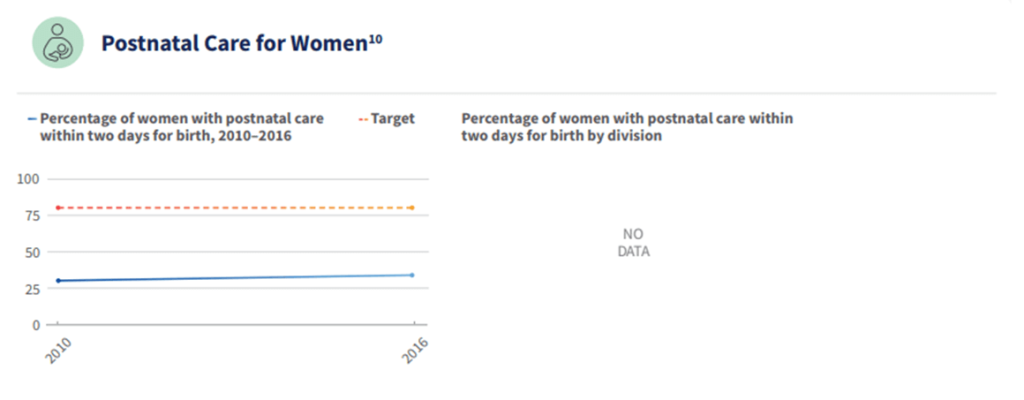
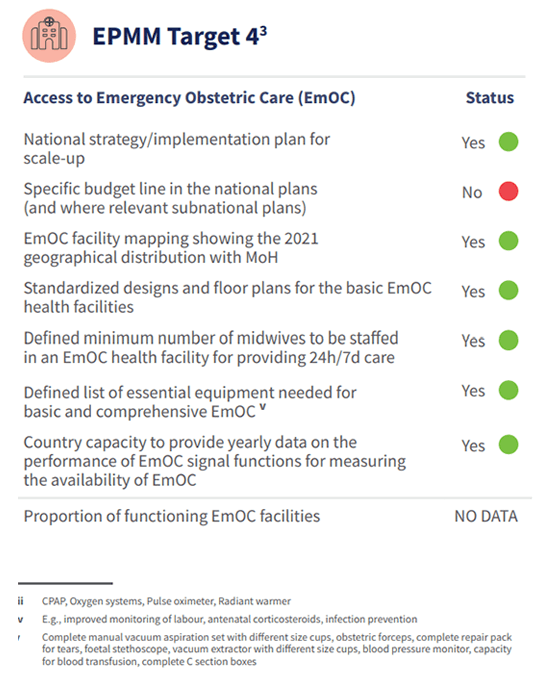
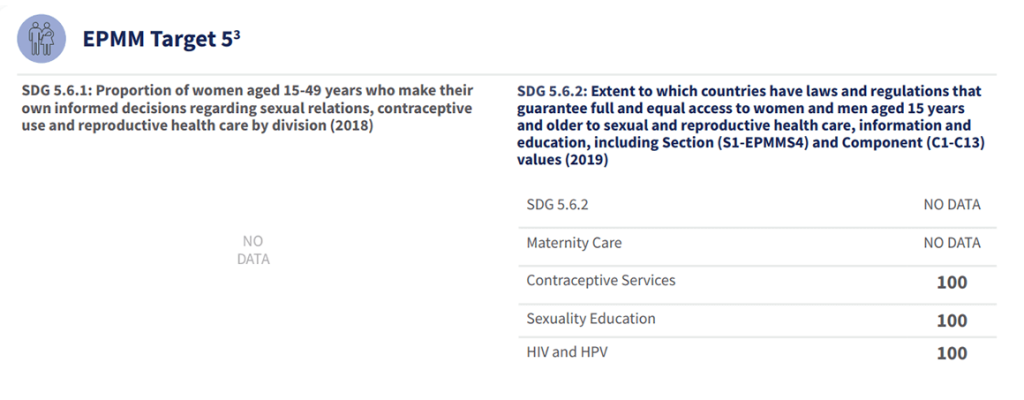
Progress to meet Every Woman Every Newborn Everywhere coverage targets

©UNICEF/Quarmyne. Attribution needed

Quality of care in Tanzania

Tanzania is one of the 11 countries that set-up the Network for Improving Quality of Care for Maternal, Newborn and Child Health (Quality of Care Network).

In 2026, quality of care is at the core of Tanzania’s MNH Acceleration Plan, from a commitment to quality improvement processes, to strengthening the capacity of health workers, to the availability of commodities. The plan highlights: 

  • Supporting the coverage of data-driven quality improvement processes such as clinical audits and Maternal and Perinatal Death Surveillance and Response (MPDSR)
  • Prioritizing a data-driven health workforce strategy for the quantification, recruitment, equitable distribution, performance management, remuneration, incentives, competency and retention of nurse-midwives, neonatal nurses, and anaesthesia providers. 
  • Preparing to integrate new emergency obstetric and newborn care signal functions at all levels with a focus on primary healthcare facilities.
  • Strengthening in-country availability and supply chain systems for commodities supporting high-impact interventions, including heat-stable carbetocin to prevent postpartum hemorrhage, caffeine citrate to treat breathing issues in newborns, and hydralazine to treat pre-eclampsia and eclampsia.
  • Supporting effective coverage and scale-up of innovative, evidence-based  interventions and models of care, including midwifery-led care, group antenatal care,  birth companionship, the implementation of WHO’s Labour Care Guide, point-of-care ultrasound, and care bundles such as safer birth bundles of care and E-MOTIVE.
  • A Quality Improvement Strategy Framework in Health Care is implemented in Mainland Tanzania and a Health Quality Strategic Plan is rolled out in Zanzibar.
  • The World Health Organization’s standards to improve quality of maternal and newborn care, small and sick newborns care, and children and young adolescents care in health facilities are adopted.
  • The first novel Maternity Waiting Home operational guideline, job aids, and standard operating procedures were developed to reduce delay in reaching health facilities.
  • Capacity building and discussions with community health leaders, community health volunteers and traditional birth attendants strengthened community engagement for maternal, newborn and child health.

News and events

Lessons to end postpartum hemorrhage

First webinar in a four-part series sharing lessons from the Accelerating Measurable Progress and Leveraging Investments for Postpartum Hemorrhage Impact (AMPLI-PPHI) project. Organized by Jhpiego.

Read more

Resources

See also: ‘Reducing the Second Delay: Scaling Tanzania’s m-mama Emergency Transport System; Improving Maternal and Neonatal Emergency Care Through Strategic Partnerships‘, the poster that the Tanzania delegation presented at the International Maternal Newborn Health Conference 2026.