Country action

Nepal

Photo © 2023 UNICEF / Rabik Upadhayay
On 9 August 2022, at the Paropakar Maternity and Women’s Hospital in Kathmandu, Nepal, Sunita Rai (left) and husband Rajan (right) with their newborn son. 

Every Woman Every Newborn in Nepal

Download the full profile with additional key demographics, progress against milestones, and more.

Photo © 2017 UNICEF / Reinier van Oorsouw
Tulsi Joshi, aged 32, holding a baby of whose mother she has followed throughout her pregnancy and encouraged her to deliver her baby at a local health clinic (instead of a home delivery).

MNH Acceleration Plan highlights

In 2026, some of Nepal’s MNH Acceleration Plan priorities include:

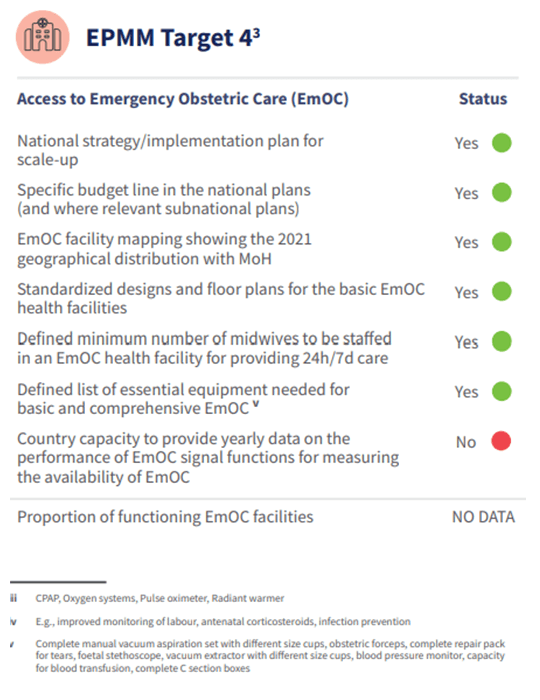
  • Strengthen the quality of care for emergency obstetric and newborn care and in sick newborn care units.
  • Digitalize MNCH information and ensure the inter-operability of different information systems.
  • Invest in quality education, deployment and motivation/retention of the maternal and newborn health workforce, particularly midwives. 
  • Increase domestic financing for maternal, newborn and child health and leverage other funds.
  • Strengthen and digitalize the referral system.

Photo © 2017 UNICEF 

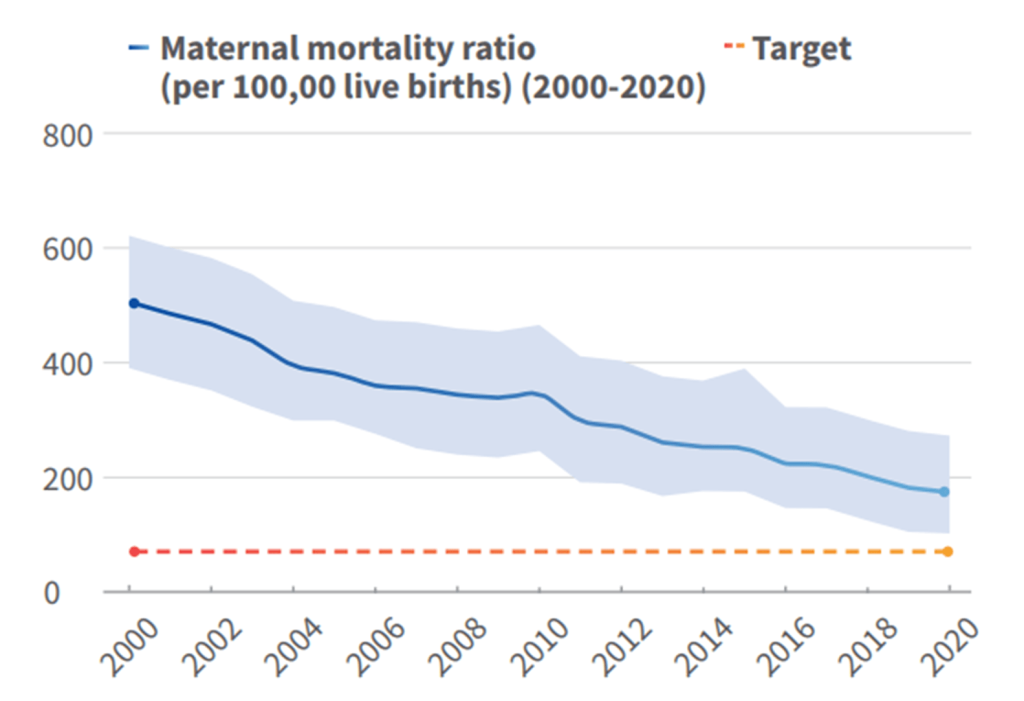
National mortality targets

Maternal
mortality ratio

70 per 100,000 live births
by 2030

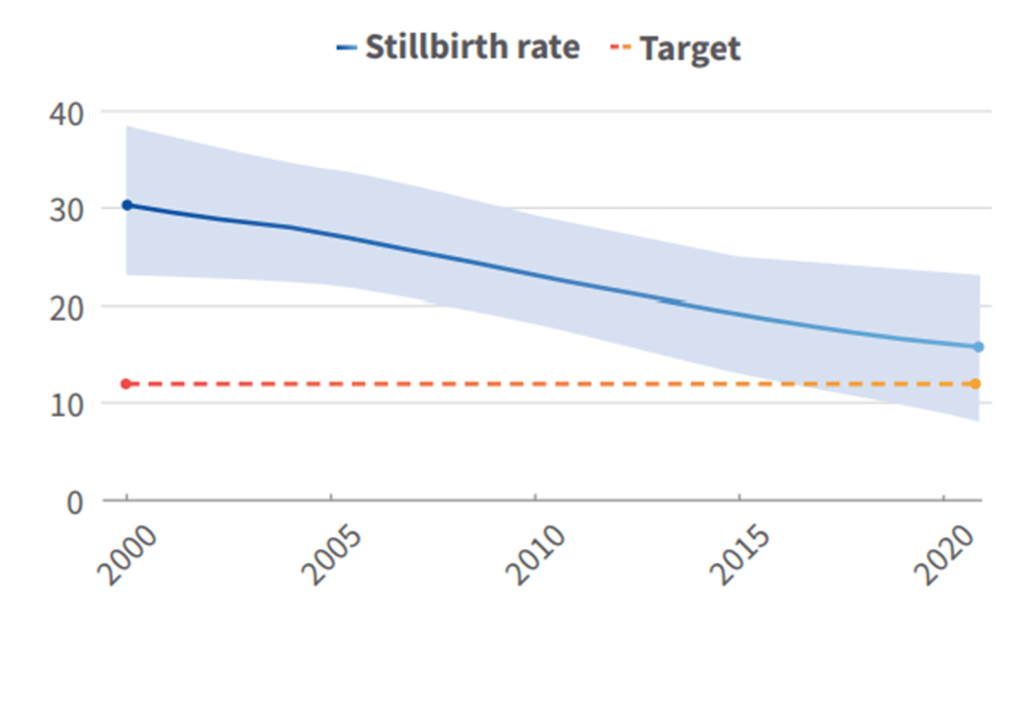
Stillbirth
rate

13 per 1,000 total births
by 2035

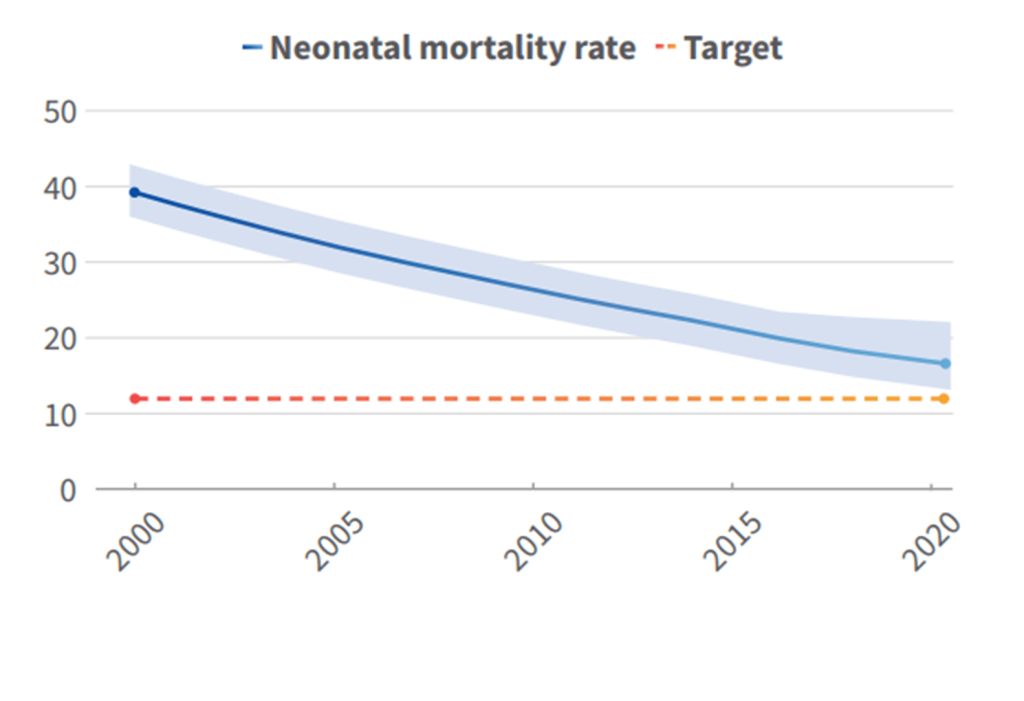
Neonatal mortality rate

11 per 1,000 live births
by 2035

Progress to meet the national maternal, newborn mortality and stillbirth reduction targets

Photo © 2017 UNICEF / Reinier van Oorsouw
Janaki Odh’s 16-day old baby girl Nisha in Joshibunga, a village in Baitadi District, far western Nepal.

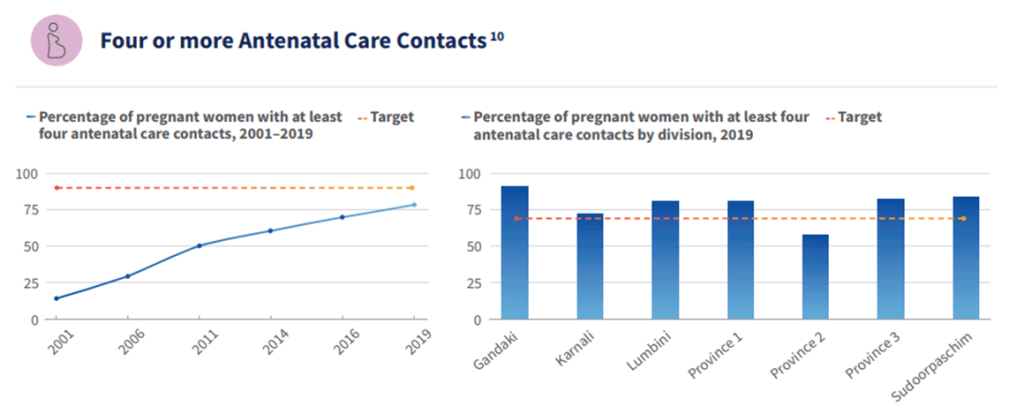
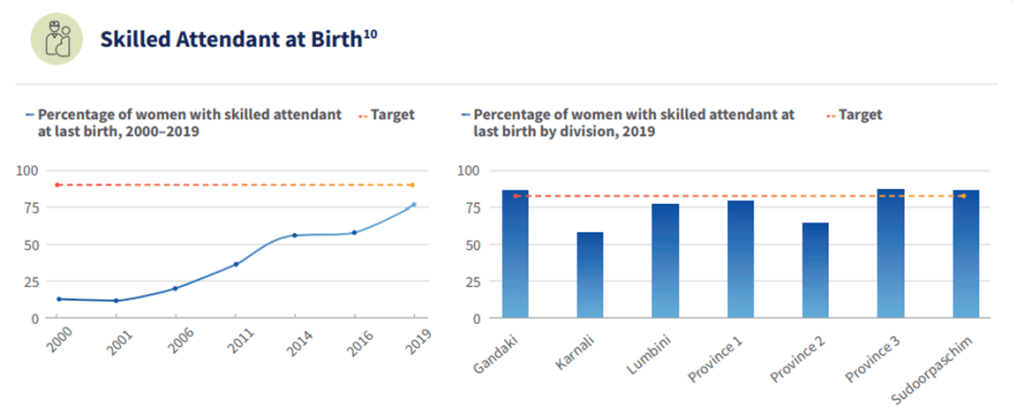
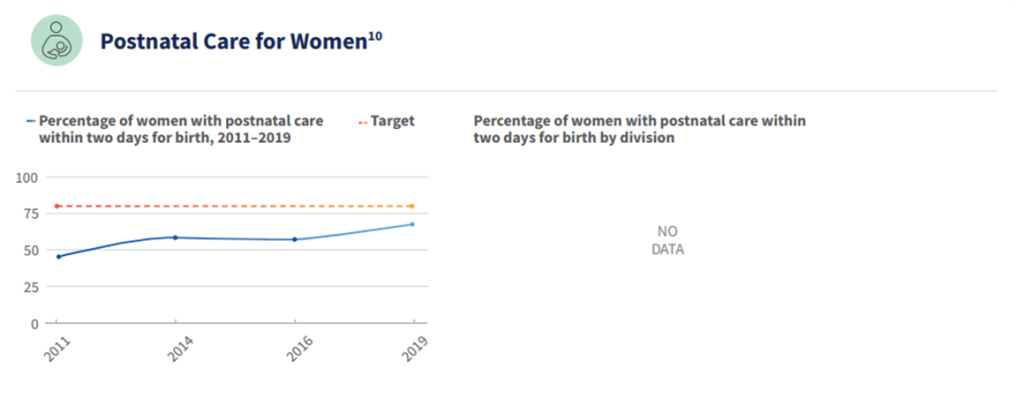
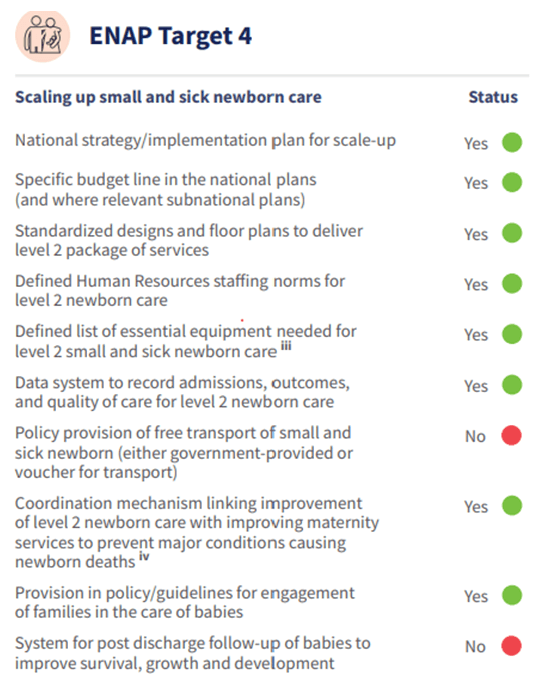
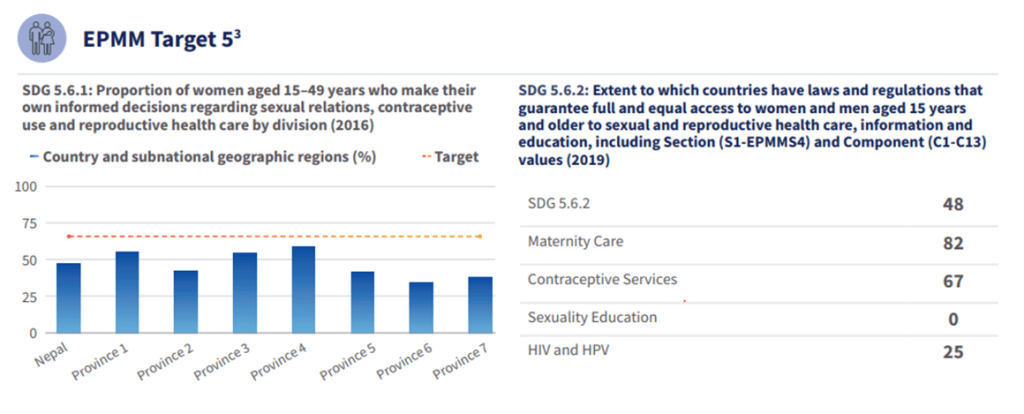
Progress to meet Every Woman Every Newborn Everywhere coverage targets

Photo © 2021 UNICEF 
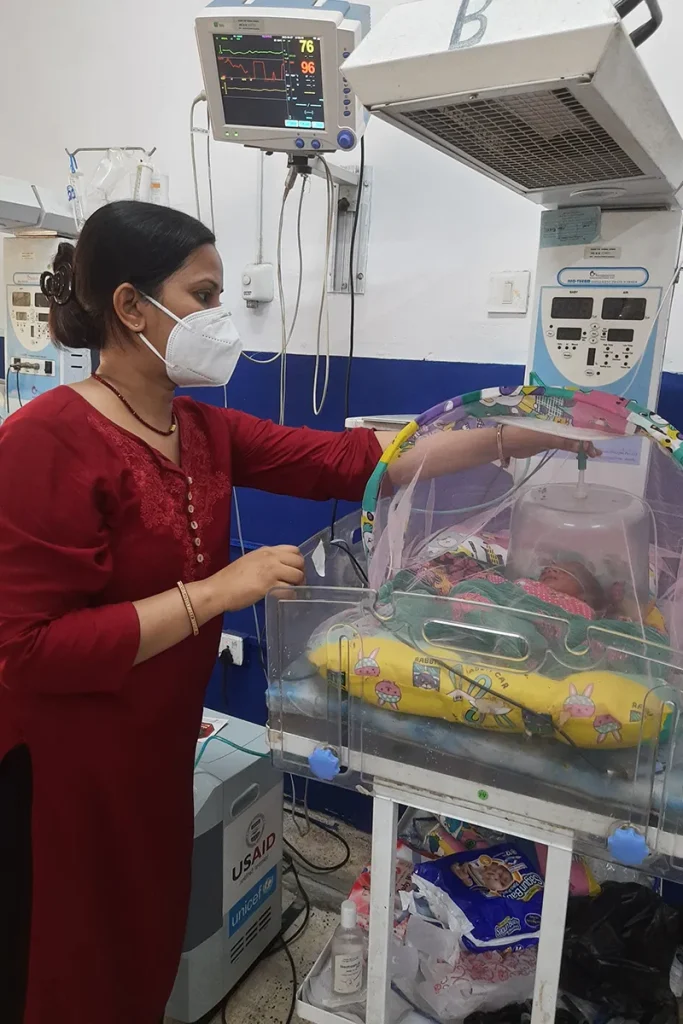
On 27 June 2021, healthworker Pinki Sah attends to newborn Sunny Mahara in the NICU at the Janakpur Provincial Hospital in Dhanusha District in southern Nepal.

Quality of care in Nepal

As part of its efforts to reduce maternal and newborn mortality and stillbirths, Nepal is taking steps to improve the quality of maternal and newborn health. These include:

  • Strengthen and scale up the national maternal and perinatal death surveillance and response (MPDSR) system
  • Improve the quality of intrapartum care
  • Expand and strengthen the quality of care for small and sick newborns

News and events

Lessons to end postpartum hemorrhage

First webinar in a four-part series sharing lessons from the Accelerating Measurable Progress and Leveraging Investments for Postpartum Hemorrhage Impact (AMPLI-PPHI) project. Organized by Jhpiego.

Read more

Resources

See also: ‘Data-driven decision making for achieving SDG targets in Nepal‘, the poster that the Nepal delegation presented at the International Maternal Newborn Health Conference 2026.