Procuring for impact: Value-based approaches for maternal and newborn health products
Second webinar in a series on Strengthening product ecosystems for maternal & newborn health, hosted by EWENE and co-organized by Unitaid and Concept Foundation.
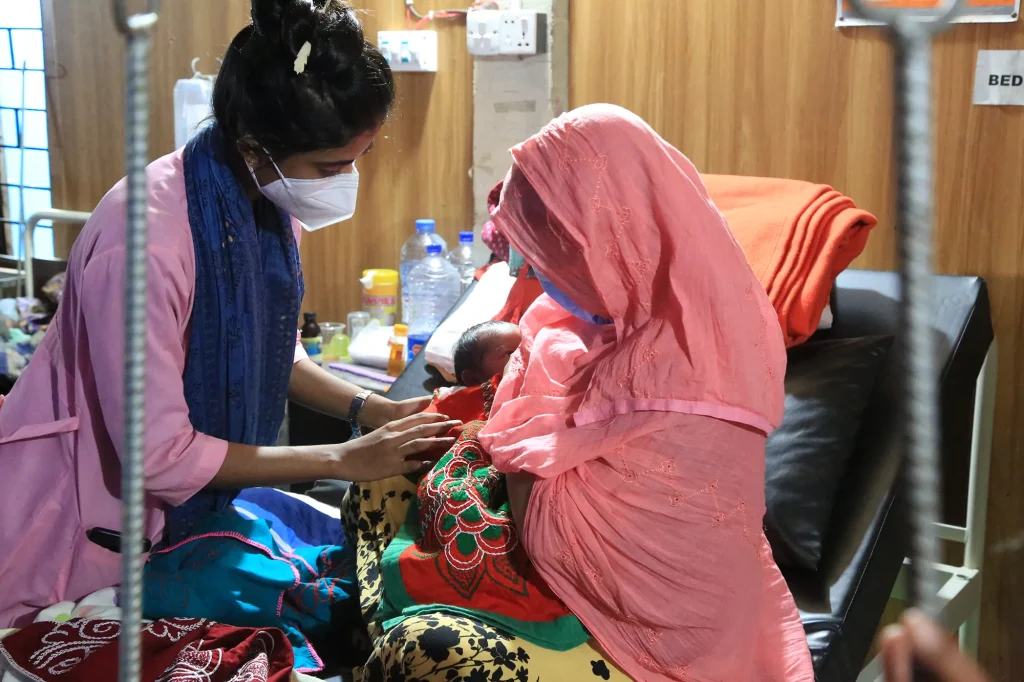
©UNICEF/Paul. A nurse provides essential newborn care right after delivery in the operating room at Thakurgaon District Hospital, Bangladesh, in September 2014.
Home > Country action > Bangladesh
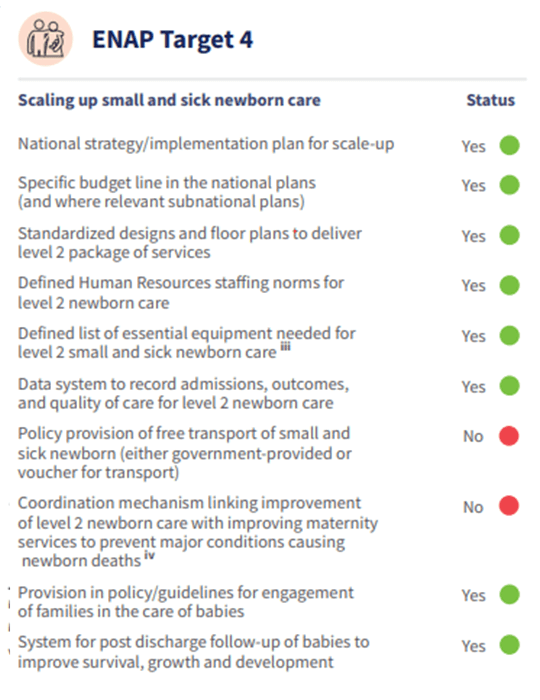
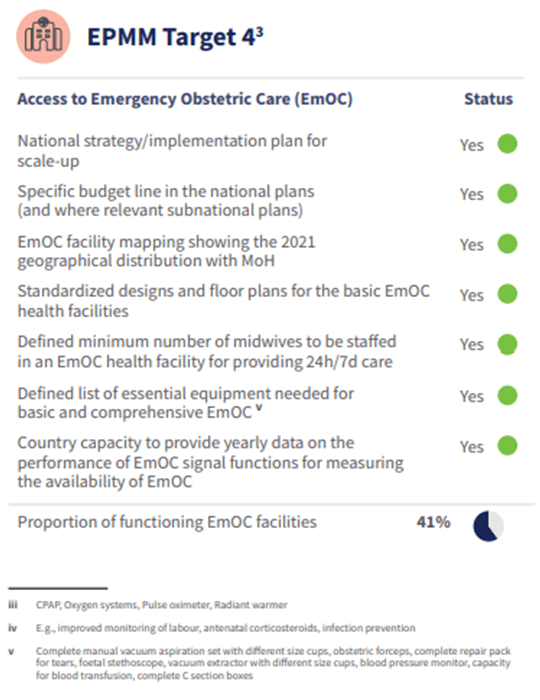
Download the full profile with additional key demographics, progress against milestones, and more.
©UNICEF/WHO.Attribution needed
In 2024, the priorities in Bangladesh’s MNH Acceleration Plan include:
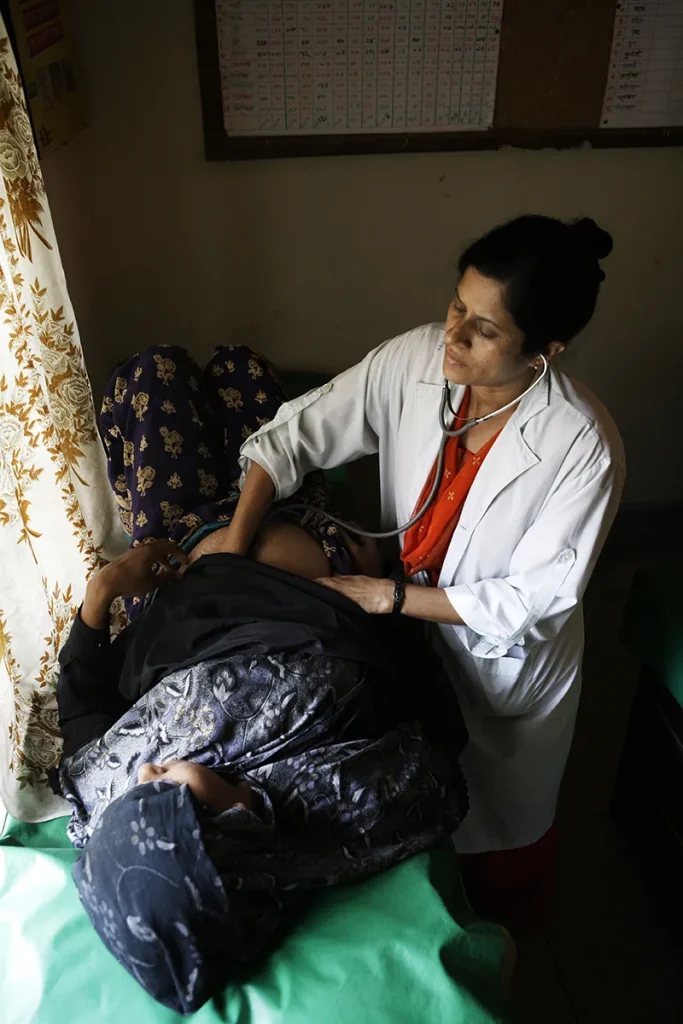
©UNICEF/Quarmyne. Pregnant women attending an antenatal clinic at a Reproductive and Child Health facility in Savelugu, in the Northern Region of Ghana, in 26 May 2015.
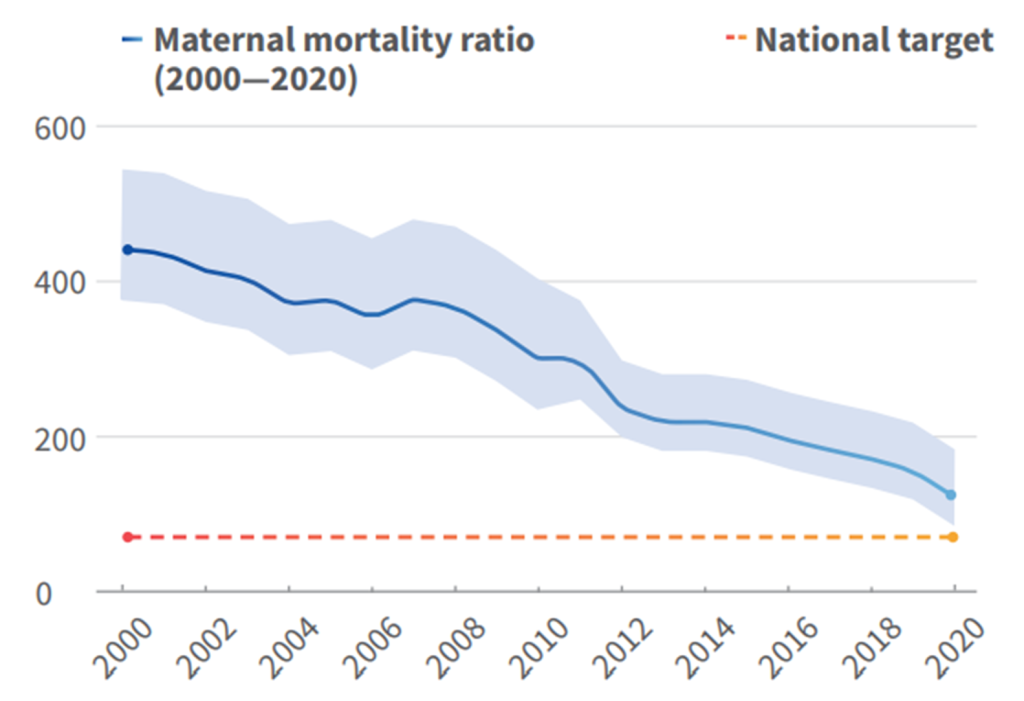
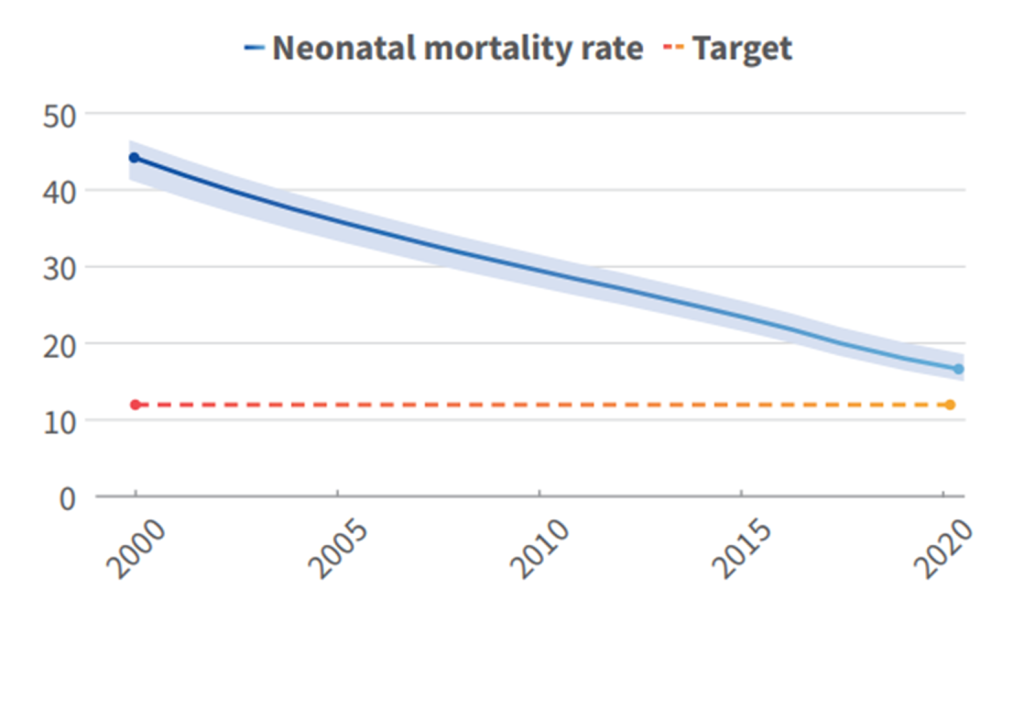
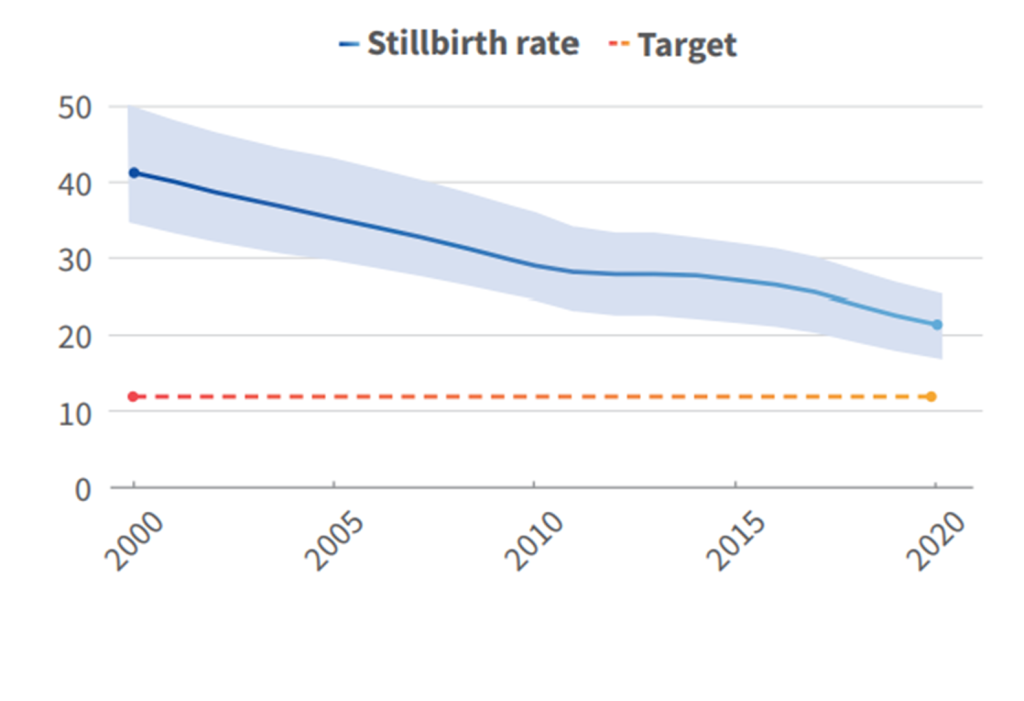
Bangladesh is one of the 11 countries that set-up the Network for Improving Quality of Care for Maternal, Newborn and Child Health (Quality of Care Network). Bangladesh’s successes in improving quality of care for maternal, newborn and child health are essential to help reduce maternal and newborn mortality and stillbirths. These include:

Second webinar in a series on Strengthening product ecosystems for maternal & newborn health, hosted by EWENE and co-organized by Unitaid and Concept Foundation.

The editorial in the latest World Health Organization’s Bulletin stresses that reducing maternal and newborn deaths is possible even in crisis settings, and calls for

A four-part series on increasing access to quality, life-saving maternal and newborn health products.
A new BMC supplement on Maternal and Perinatal Death Surveillance and Response (MPDSR) looks at what implementation looks like in practice, highlighting research and programmatic

Published by the World Health Organization, the International Federation of Gynecology and Obstetrics (FIGO) and the International Confederation of Midwives (ICM), the guidelines highlight the

The compendium supports efforts to end mistreatment and achieve respectful maternal and newborn care. It is published by WHO together with UNFPA, UNICEF and the United Nations’ Special Programme on Human Reproduction (HRP), with support from Jhpiego and the MOMENTUM Country and Global Leadership programme.