Country action

Ethiopia

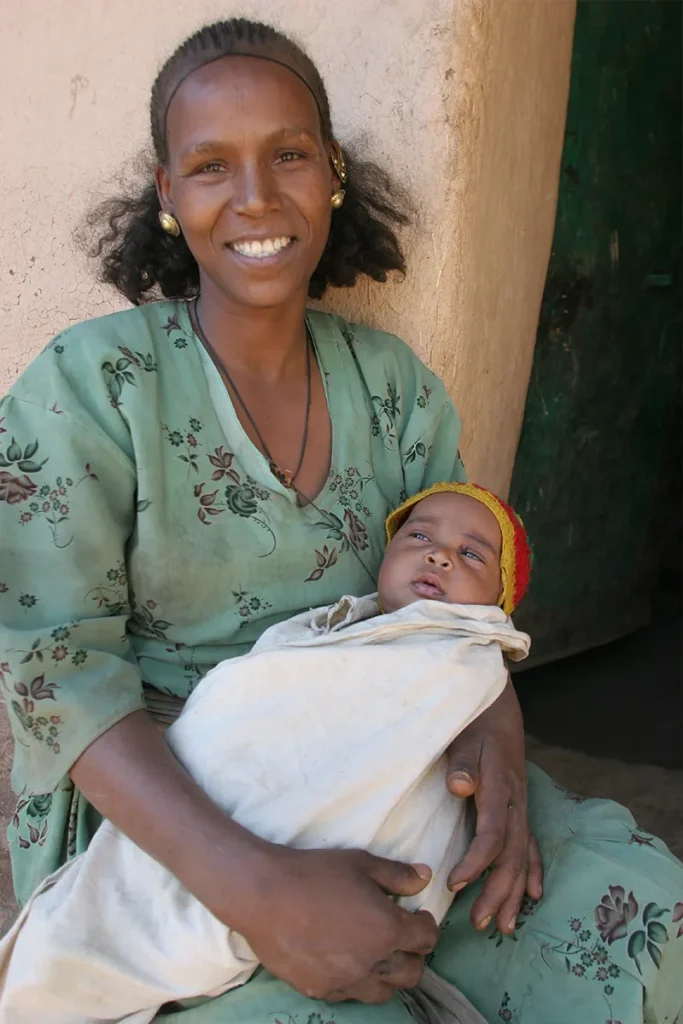
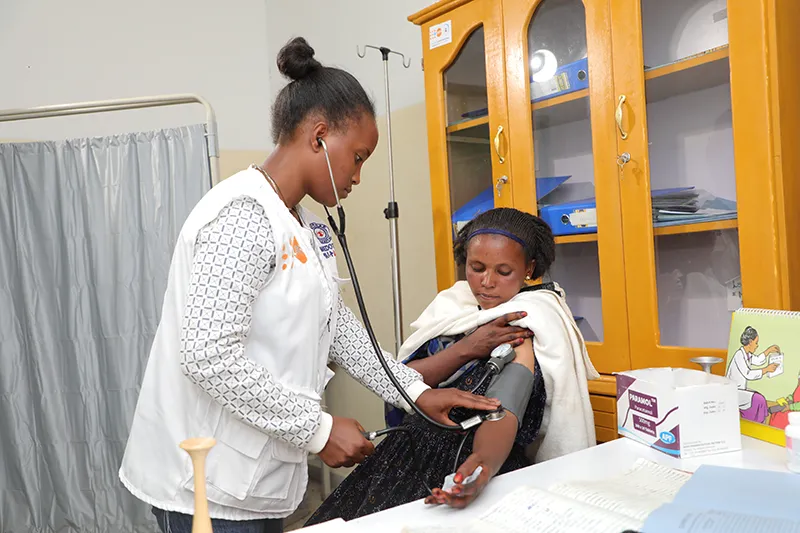
Photo © 2023 WHO / Gary Chong Studios – Faris Syazwan:
Ismaziah, a community nurse and midwife, assesses the child’s health and runs through the standard medical protocol checklist.

Every Woman Every Newborn in Ethiopia

Download the full profile with additional key demographics, progress against milestones, and more.

This profile was developed in May 2023,  using data from 2018-2023. 

MNH Acceleration Plan highlights

In 2026, Ethiopia’s Maternal and Newborn Health Acceleration Plan prioritizes the following:  

  • Digitize maternal and newborn health service data and  Maternal and Perinatal Death Surveillance and Response (MPDSR) to improve maternal, fetal, and neonatal health outcomes.
  • Build the capacity of the maternal and newborn health workforce through integrated mentorship, midwifery models of care, and neonatal nurse-led care.
  • Improve access to essential quality-assured MNH commodities, supplies, and equipment. 
  • Increase external and domestic resource mobilization.
  • Bundle proven interventions and integrated delivery to ensure quality of care. 

©UNICEF/Quarmyne. Redait Tsegay, going to a health center, in Neqsege.

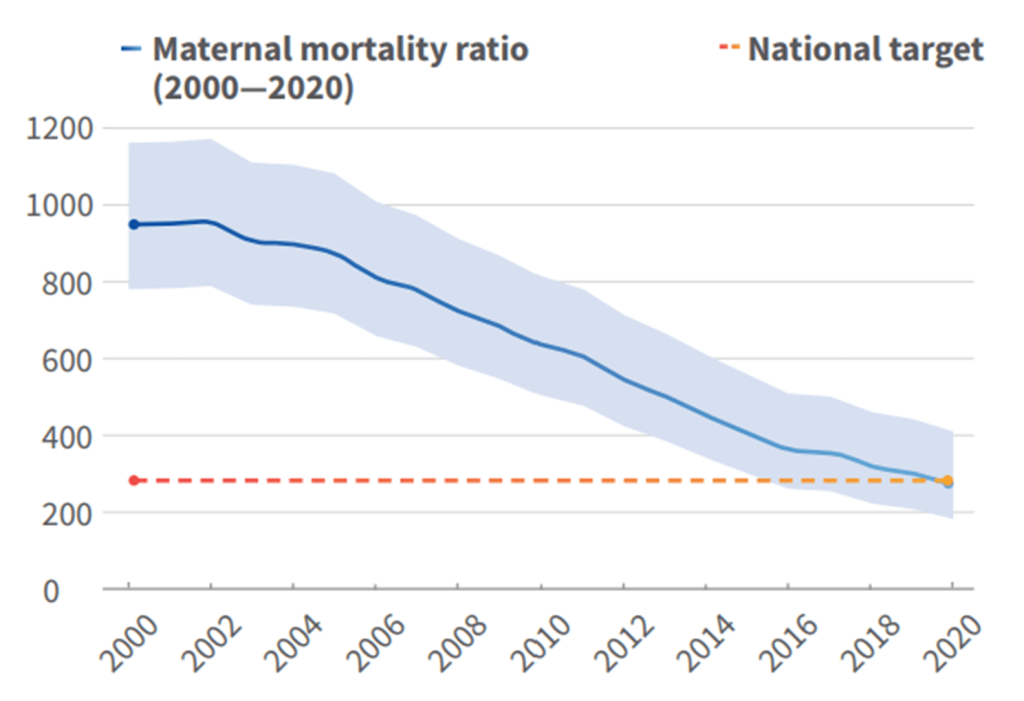
National mortality targets

Maternal
mortality ratio

279 per 100,000 live births
by 2025

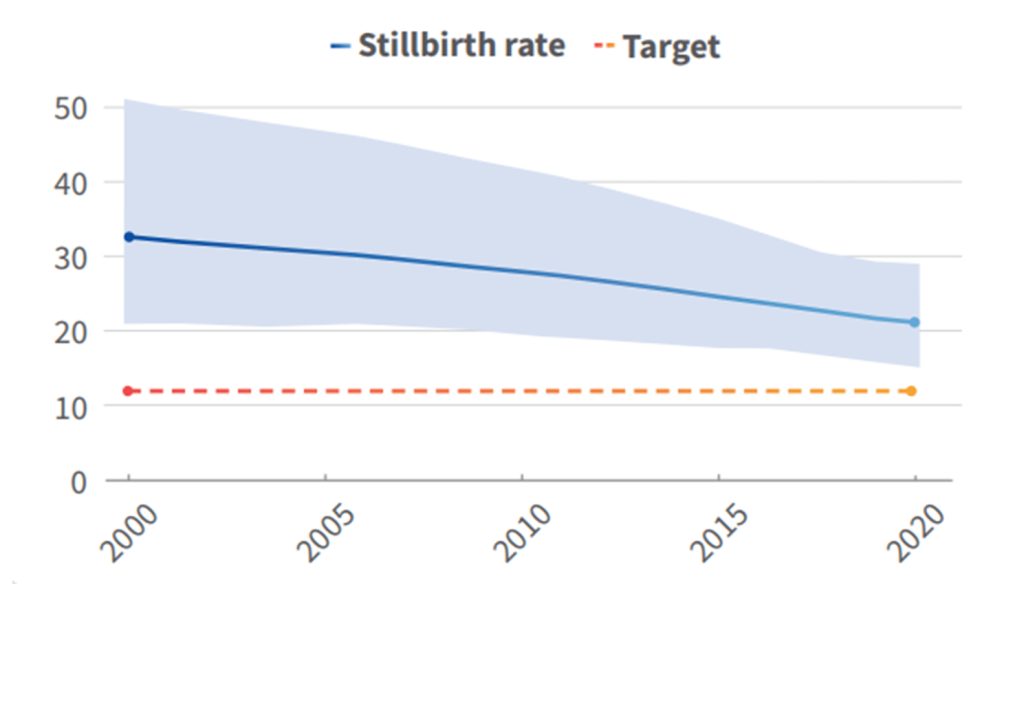
Stillbirth
rate

14 PER 1,000 total births
by 2025

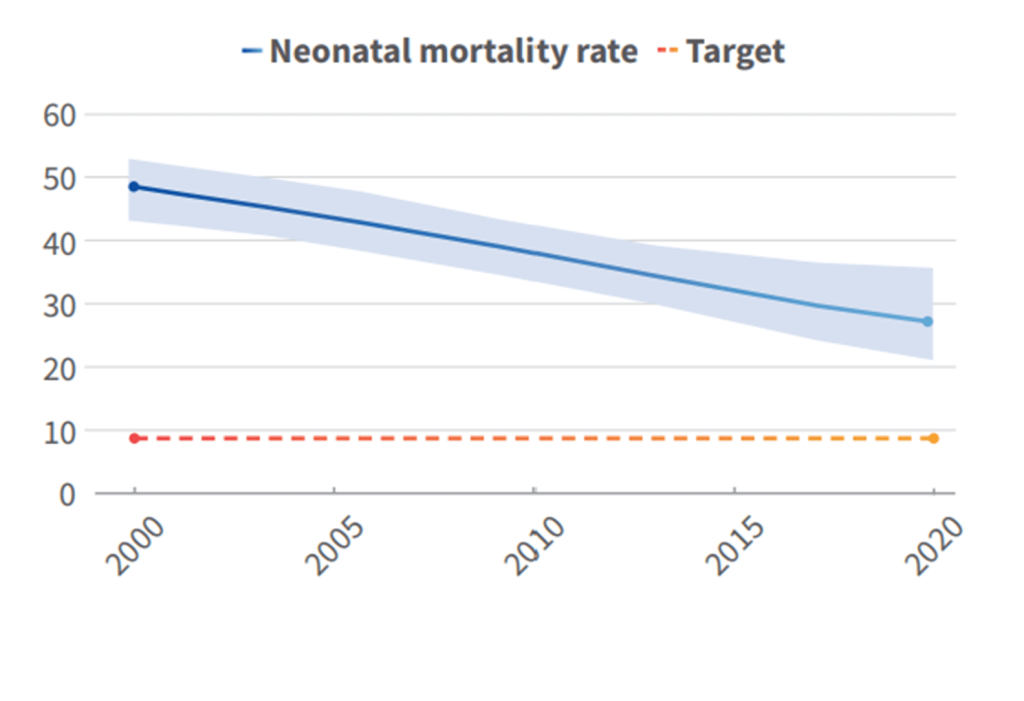
Neonatal mortality rate

21 per 1,000 live births
by 2025

Progress to meet the national maternal, newborn mortality and stillbirth reduction targets

©UNICEF/WHO.

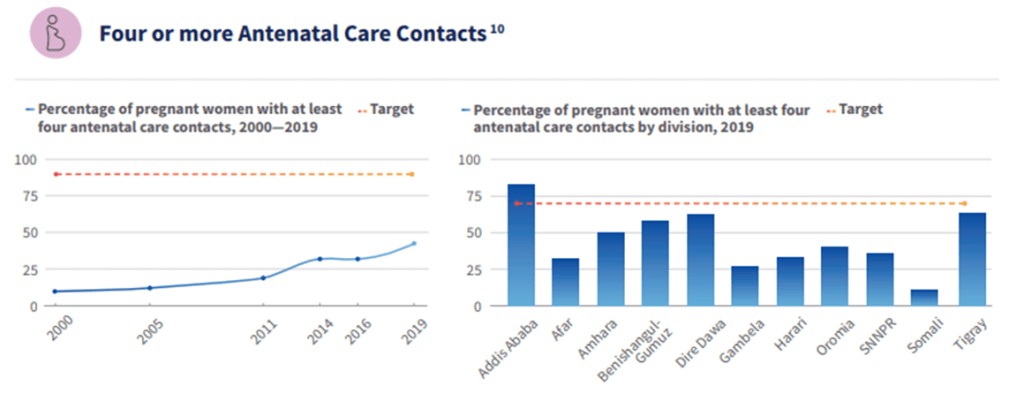
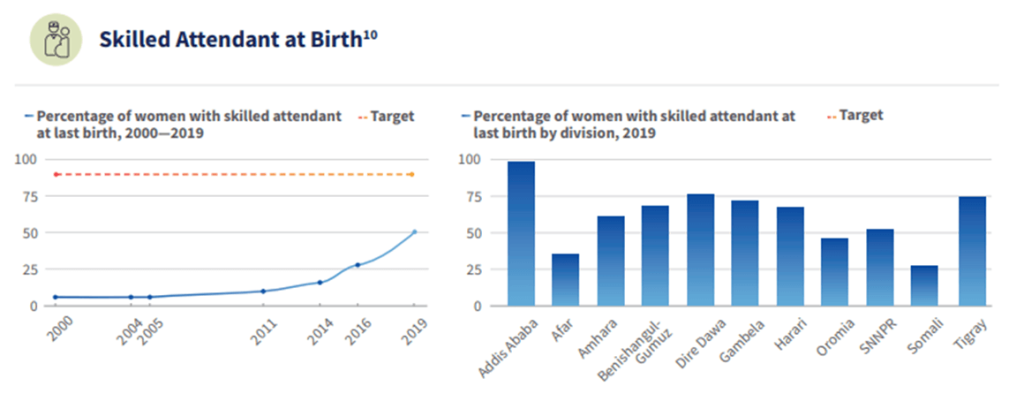
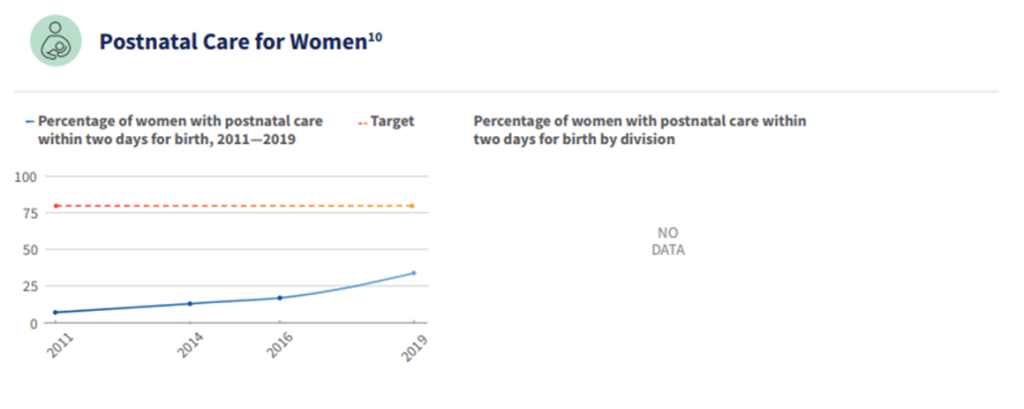
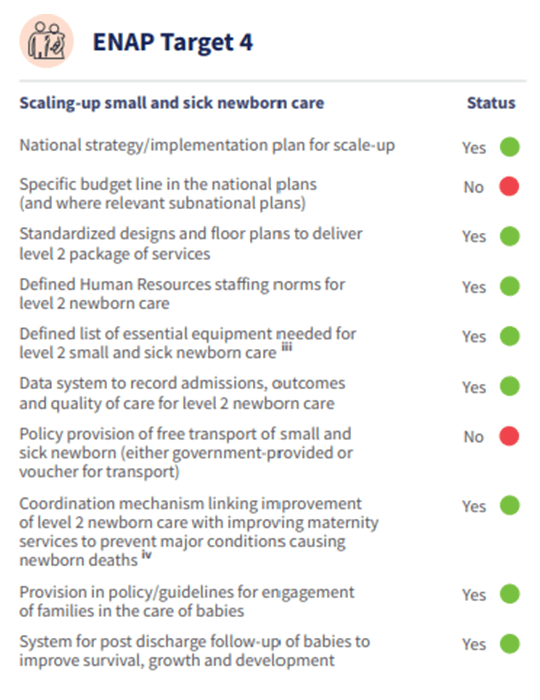
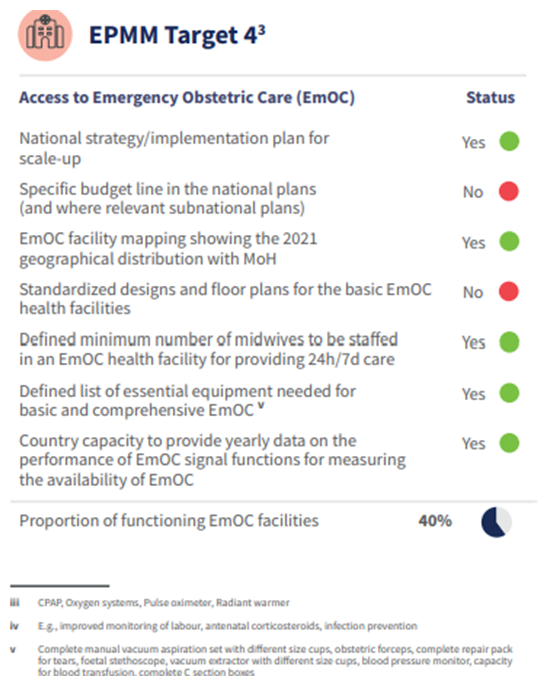
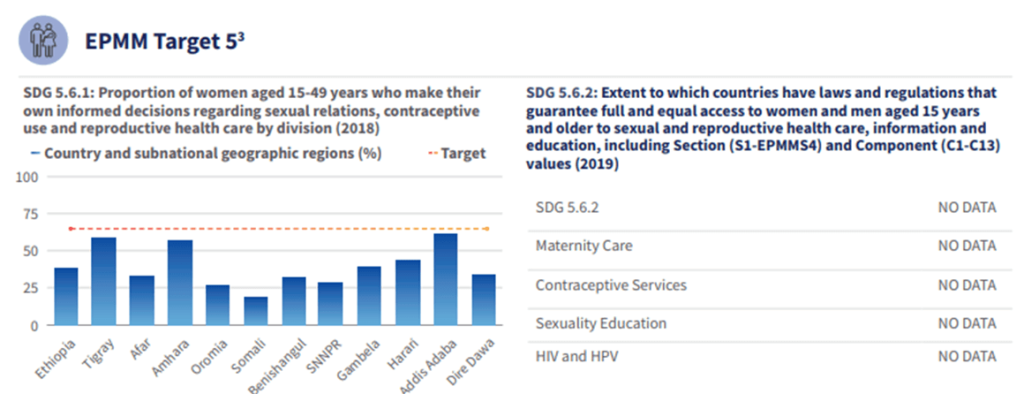
Progress to meet Every Woman Every Newborn Everywhere coverage targets

©UNICEF/Quarmyne. 

Quality of care in Ethiopia

Ethiopia is one of the 11 countries that set-up the Network for Improving Quality of Care for Maternal, Newborn and Child Health (Quality of Care Network). Ethiopia’s successes in improving quality of care for maternal, newborn and child health are essential to help reduce maternal and newborn mortality and stillbirths. These include:

  • A National Quality Strategy is implemented, as well as a specific National Maternal and Newborn Quality Care Roadmap.
  • The World Health Organization’s standards for improving the quality of maternal and newborn care, sick and small newborns care and pediatric care in health facilities have been adopted and adapted.
  • National safety guidelines, including to ensure safe maternal and newborn care, are under development.
  • Maternal and Perinatal Death Surveillance and Response (MPDSR) is prioritized and included in the MNH QoC implementation package, as an integral part of quality of care improvement efforts to reduce maternal deaths, as well as preventable stillbirths and neonatal deaths.
  • Community Score Cards have been implemented in all Public Health Care facilities in all regions.
  • The WHO Labour Care Guide was introduced. It is a tool that aims to support good-quality, evidence-based, respectful care during labour and childbirth, irrespective of the setting or level of health care.

News and events

Lessons to end postpartum hemorrhage

First webinar in a four-part series sharing lessons from the Accelerating Measurable Progress and Leveraging Investments for Postpartum Hemorrhage Impact (AMPLI-PPHI) project. Organized by Jhpiego.
Read more

Resources

See also: ‘From Commitment to Commodities: Ethiopia’s Journey to Secure Essential Commodities for every Mother, Neonate and Child ‘, the poster that the Ethiopia delegation presented at the International Maternal Newborn Health Conference 2026.